Why DIY Branding Fails? How Branding Services in Dubai Can Help?

Branding Services in Dubai-Pixtar

Introduction

Many business owners believe that DIY branding saves costs, but it often leads to inconsistent messaging, weak brand identity, and lost business opportunities. DIY branding, which sounds easy, is actually quite harmful to reputations and revenues. This blog discusses possible explanations for why DIY branding can destroy businesses and how expert branding services in Dubai can help you build a strong and lasting brand identity.


Why DIY Branding Can Be Risky

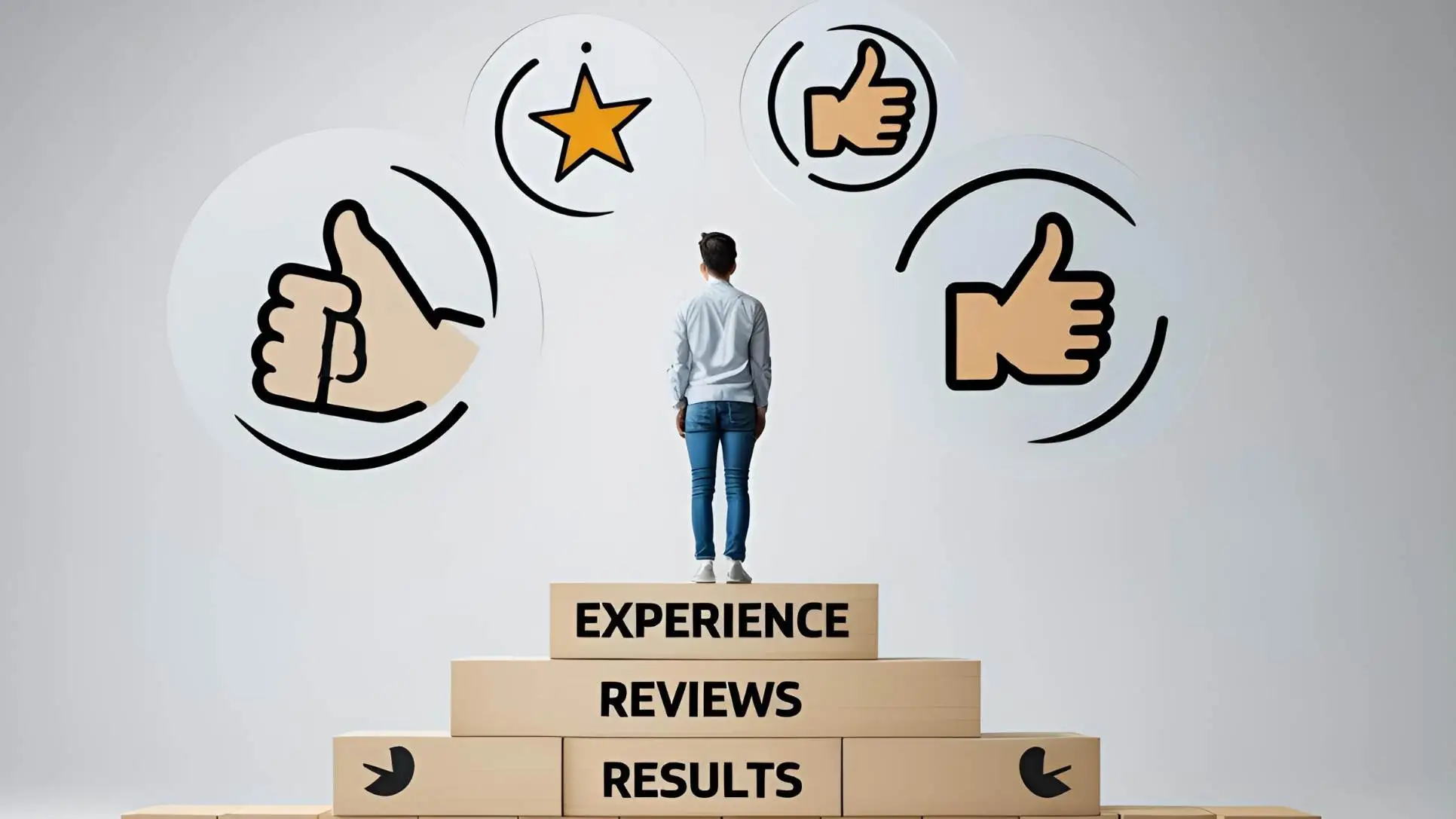
Why DIY branding fails
Image source : Freepik

1. Lack of Strategy & Consistency

Pain Point: Many businesses have no clear strategy and start branding only to end up with inconsistent visuals and messaging.
Solution: With the help of professional branding agency consistent brand identity is created along with consideration of business goals and market positioning.

When branding is done without a strategic foundation, businesses struggle with customer confusion and a weak brand recall. A professional branding agency conducts market research, competitive analysis, and brand audits to ensure consistency across all platforms—whether it’s your website, social media, or offline marketing materials.

2. Poor Brand Perception

Pain Point: Inefficient brand identity marks become noticeable when you use poor logos alongside inconsistent fonts and mismatched color palettes because these elements generate a negative, unprofessional image of your brand.
Solution: The top branding agency in Dubai like Pixtar, makes it beautiful, memorable, and appealing to the expectations of its audience.

First impressions matter. Research from Harvard Business Review shows people form first impressions in mere seconds—and branding plays a massive role in shaping them. Unattractive branding makes potential customers walk away. Professionals know the psychology of design and build logos, typography, and colors that would impart trust and credibility.

3. Ineffective Messaging

Pain Point: DIY branding efforts hardly connect with the right audience, resulting in little interest and weak brand recognition.
Solution: A branding expert sets out a clear voice and messaging strategy to speak directly to your intended audience.

Your brand’s message should be more than just a catchy slogan. It should tell a story that resonates with your audience. Without a structured brand messaging strategy, businesses risk being forgettable. A branding agency in Dubai crafts compelling brand narratives that emotionally connect with customers and build long-term loyalty.

4. SEO & Online Presence Issues

Pain Point: DIY branding lacks a strategic approach to SEO, leading to low visibility in search engines.
Solution: A professional branding services in Dubai integrates SEO-friendly branding techniques, improving your search rankings and online reach.

A well-branded website with optimized headings, keyword-rich content, and proper metadata ensures that your business ranks for relevant searches like branding services in Dubai and top branding agency in Dubai. SEO-driven branding increases discoverability and attracts organic traffic, resulting in higher lead generation.

5. Costly Rebranding in the Future

Pain Point: Many businesses end up spending more money fixing their DIY branding mistakes than they would have by hiring professionals from the start.
Solution: Investing in professional branding services in Dubai saves time and money while ensuring long-term success.

Rebranding is a costly and time-consuming process. Instead of making expensive fixes later, working with a branding agency from the beginning ensures your brand remains relevant, modern, and adaptable as your business grows.


What to Do Instead: The Right Approach to Branding

Branding services in Dubai

1. Work with a Professional Branding Agency

Hiring an experienced branding agency in Dubai ensures your brand has a unique identity that resonates with your target audience.

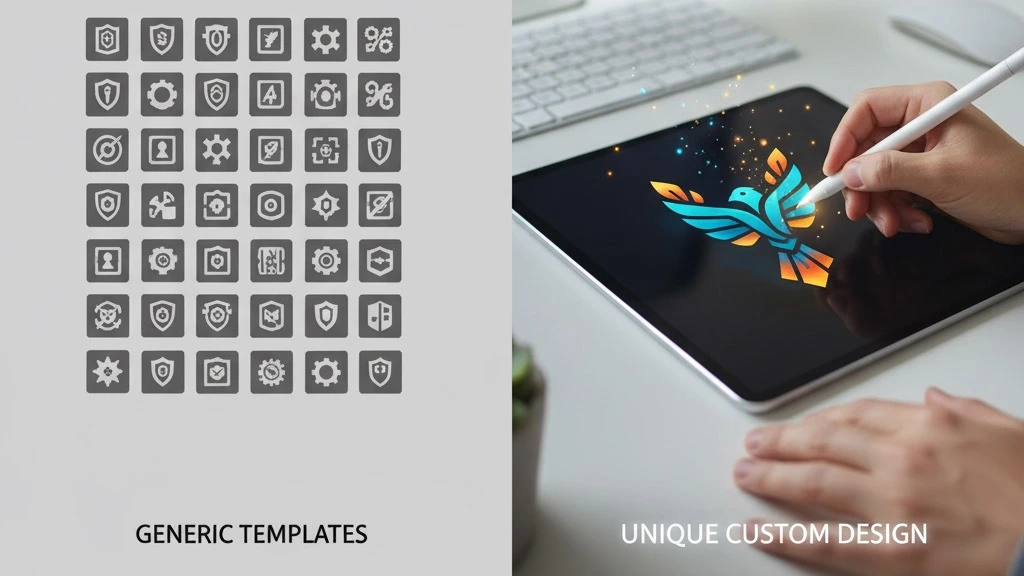
Instead of a generic look, expert branding services in Dubai create customized branding strategies tailored to your industry, values, and target market. This allows you to stand out in a crowded marketplace.

2. Define Your Brand Strategy

Professional branding services help you establish your brand mission, values, and unique selling points (USPs) for better market positioning.

Branding goes beyond just a logo. A successful brand needs a well-defined strategy that communicates its purpose and positioning clearly. Without this, businesses fail to create an emotional connection with their customers.

3. Invest in High-Quality Visual Identity

A top branding agency will provide you with a well-designed logo, consistent color palette, typography, and branding guidelines that make your business stand out.

An appealing and professionally designed brand identity gives businesses a competitive edge. Customers are more likely to engage with a brand that looks trustworthy and polished.

4. Leverage SEO & Digital Branding

Incorporating SEO-driven branding strategies ensures your business ranks higher in searches for branding services in Dubai and related keywords.

Optimized brand messaging, structured content, and high-quality visuals play a crucial role in digital branding. A branding agency integrates search-optimized content, social media branding, and performance-driven design to improve visibility online.

5. Build Brand Authority & Trust

High-quality branding creates trust and credibility, helping you attract premium clients, corporate businesses, and luxury brands in Dubai.

A strong brand reputation encourages customer loyalty. Thought leadership content, social proof, and strategic brand positioning help establish your brand as an industry leader.


Conclusion: Invest in Professional Branding Services for Long-Term Success

While DIY branding may seem cost-effective at first, it can lead to branding inconsistencies, weak online presence, and lost business opportunities. Instead, invest in Pixtarprofessional branding services in Dubai to build a strong, recognizable, and successful brand. Whether you are a startup, eCommerce business, or luxury brand, having a professionally designed brand identity will set you apart from the competition.

Ready to transform your brand? Contact Pixtar, the leading branding agency in Dubai, and take your business to the next level!

Luxury Packaging Trends 2025: What’s Next for Premium Brands?

Luxury packaging

Do you think Luxury is just about the product? Well, that’s not true. Luxury isn’t just about the product—it’s about the entire experience, and packaging plays a huge role in that. By blending aesthetics, sustainability and the use of technology the premium brands are creating packaging that feels as good as product inside. So, what’s next in luxury packaging? Let’s explore the top trends shaping the future.

1. Sustainable Luxury Packaging: Eco-Friendly, Without Compromising Elegance

Gone are the days when sustainability was taken as an option, now it’s an expectation. High-end brands throughout time have needed to create sustainable packaging solutions that would maintain their high-end brand reputation.

The year 2025 brings sustainable materials which maintain their luxurious appearance. Think:

1. Bio-degradable alternatives: Organic materials such as bamboo, mushroom fibers as well as hemp paper are used for luxury packaging as a sustainable alternative.
2. Recycled luxury: High-end brands are embracing recycled glass, metal, and paper with sophisticated finishes.
3 .Reusable designs: The designs appeal to frequent reuse because they are so charming that consumers cannot discard them the same way – such as easily refillable perfume bottles.

Luxury brands are proving that sustainability doesn’t mean sacrificing aesthetics—it enhances them.

2. Minimalism with a Statement of Luxury Packaging: Less is More, but Better

Luxury packaging is embracing understated elegance in 2025. Gone are the days of excessive embellishments. The new wave of premium packaging is about:

Subtle yet impactful design – Clean lines, muted color palettes, and refined typography.
Premium materials over flashy branding – Soft-touch finishes, embossed textures, and matte laminations replacing excessive foil and glitter.
Mono-material designs – Using a single high-quality material to enhance recyclability and create a seamless look.

Chanel and Apple are leading examples of this trend—letting high-quality design and materials speak for themselves.

3. Smart Packaging: Where Technology Meets Luxury

The future of high-end packaging is interactive. With advancements in smart technology, brands are using packaging to tell a story, engage customers, and create exclusivity.

NFC & QR Code Integration – Scan the packaging to unlock a personalized digital experience (e.g., VIP content, authentication certificates, or product history).
Augmented Reality (AR) – Customers can point their phone at the package to reveal brand storytelling, behind-the-scenes footage, or interactive product guides.
Smart security features – Anti-counterfeit technology like blockchain-enabled verification is becoming essential for luxury brands.

These innovations enhance the customer journey, making packaging more than just a box—it becomes part of the brand experience. In short, the technology meets luxury in smart packaging.

4. Personalization & Customization: The Rise of Bespoke Packaging

Luxury is personal. In 2025, brands are taking customization to new heights by offering limited-edition, personalized packaging experiences.

Monogrammed & Name Engraving – High-end packaging featuring the customer’s name or initials.
Exclusive Color Variations – Limited-edition packaging designs based on customer preferences.
Tailored Unboxing Experiences – VIP customers receive packaging that aligns with their purchase history or lifestyle.

This trend deepens brand loyalty, making every purchase feel like an exclusive, personalized packaging experience.

5. Texture & Sensory Appeal: Luxury That Feels as Good as It Looks

Luxury isn’t just visual—it’s tactile. The right texture can elevate packaging, making it memorable and enjoyable to hold.

Trending materials in 2025:

Soft-touch matte finishes – Creates a velvety, premium feel.
Embossed details – Adds depth and an element of craftsmanship.
Metallic foiling & gilded edges – Subtle shine without looking excessive.

By engaging the sense of touch, premium brands are enhancing the emotional connection with their audience.

6. The Unboxing Experience: Turning Packaging Into a Luxury Ritual

Luxury is about experience, and unboxing is becoming a key part of the brand journey. Brands are designing packaging that transforms opening a product into a multi-sensory moment.

Magnetic closures – Smooth, satisfying openings.
Layered reveals – Packaging that unveils the product in stages, creating suspense.
Custom sound elements – Some brands are even incorporating subtle audio cues (like a soft ‘click’ when opening a box) to heighten the experience.

Luxury brands like Louis Vuitton and Rolex have perfected this, ensuring the packaging feels like an event in itself.

Final Thoughts: The Future of Luxury Packaging

Sustainability meets luxury – Eco-friendly materials without compromising elegance.
Minimalism with impact – Less clutter, more premium design.
Tech-integrated packaging – QR codes, NFC chips, and AR for next-level engagement.
Personalized experiences – Customization that makes every purchase feel exclusive.
Unforgettable unboxing – Packaging that turns opening a product into an experience.

Why Do Brand Guidelines (Brand style guide) Matter?

Brand Guidelines

An inconsistent brand appearance would result from watching a company whose logo and messages keep shifting with their color choices. One day, their website uses bold red tone, the next day, it’s pastel blue. The language on their social media is playful, but their emails sound corporate and stiff. Would you trust this brand? Probably not. A brand guideline system exists to achieve consistency. Brand guidelines function as essential design blueprints that produce consistent, recognizable and professional-end results for every business component. When brands omit brand guidelines they endanger both their professional image and customer faith in the company.

A brand defines its identity through clear guidelines no matter the commercial or personal nature of the brand entity. But what exactly are they? What are the 5 C’s of branding? And how do you create your own? Let’s break it down.

What Are Brand Guidelines?

Brand guidelines (also called brand style guides) are a set of rules that define how a brand should be presented across all platforms. They cover everything from logos and colors to tone, voice and imagery.

Think of them as a rulebook that keeps your brand looking and sounding the same, whether it’s on your website, social media, packaging, or advertisements.

What Do Brand Guidelines Include?

Logo Usage – Rules on how to use the logo, including sizes, variations, and what not to do.
Color Palette – The exact shades that define your brand’s identity.
Typography – The fonts and styles used in all brand communications.
Imagery & Graphics – Guidelines for photos, illustrations, and visual elements.
Brand Voice & Tone – The way your brand communicates (formal, friendly, playful, etc.).
Messaging Guidelines – Key phrases, taglines, and brand story elements.

Why Brand Style Guide important?

Consistency: Builds brand recognition and trust.
Professionalism: Makes your brand look polished and well-structured.
Efficiency: Saves time by providing clear design and messaging rules.
Stronger Branding: Ensures that your brand identity remains distinct in a crowded market.

A well-structured brand guideline document helps anyone working on your brand—from designers to marketers—maintain a cohesive look and feel.

What Are the 5 C’s of Branding?

Strong branding isn’t just about visuals. It’s about strategy. The 5 C’s of branding serve as a foundation for creating a brand that connects with audiences.
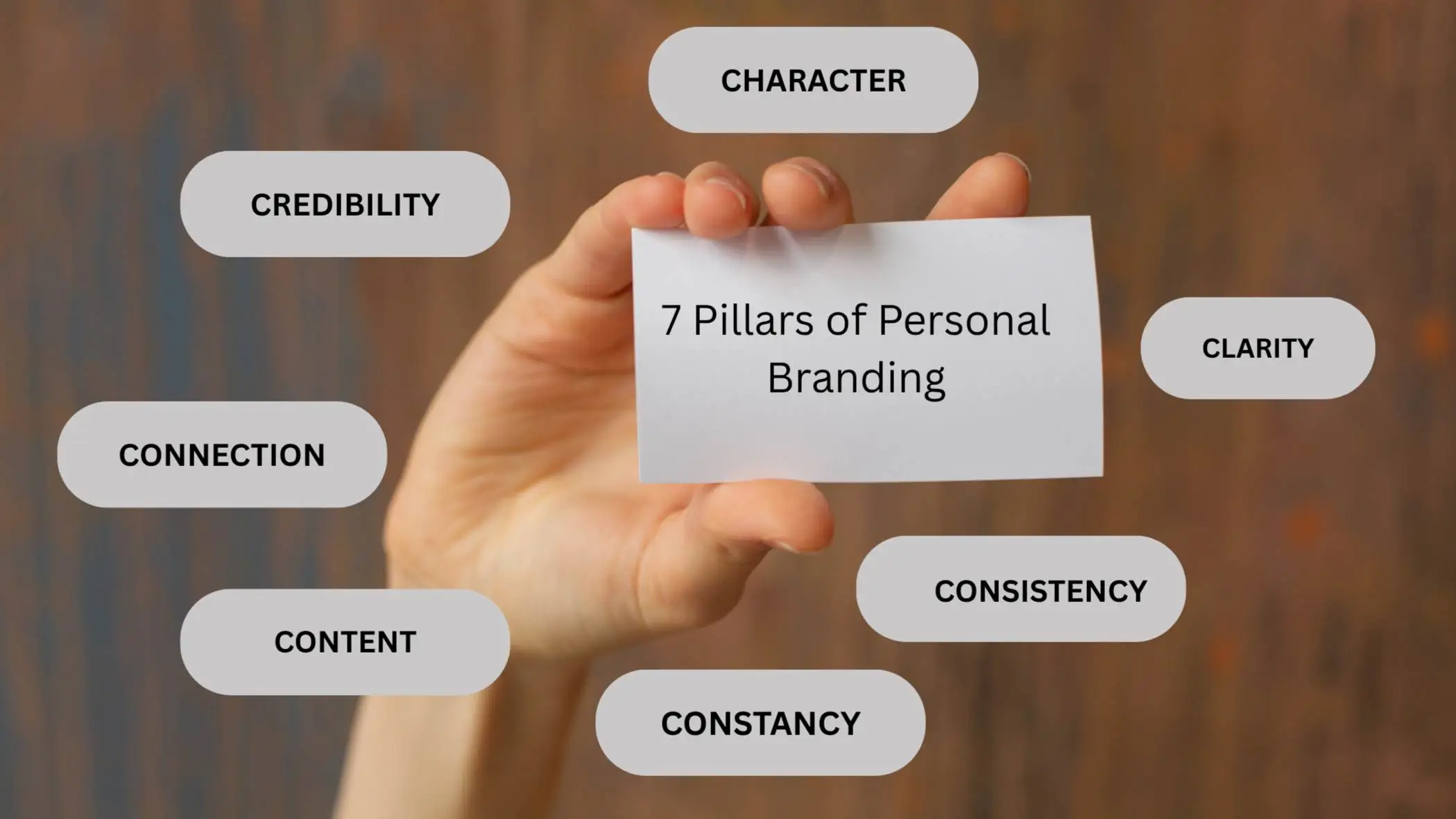
1. Clarity
Your brand message should be clear and easy to understand. If customers don’t immediately “get” what your brand stands for, they’ll lose interest.

Ask yourself:
What is my brand’s purpose?
What problems does it solve?
How do I communicate that in the simplest way?

2. Consistency
A brand that looks and feels different across platforms confuses people. Keeping your visuals, messaging, and tone consistent strengthens your brand identity.

Think of big brands like Apple or Nike. Every ad, website page, and product packaging follows the same design principles. That’s consistency.

3. Creativity
A brand should be unique and stand out. Following trends is fine, but a great brand has its own identity.

Ask yourself:
What makes my brand different from competitors?
What unique design elements or messaging can I use?

4. Credibility
Trust is everything in branding. If your brand is inconsistent, unclear, or lacks professionalism, people won’t take it seriously.

Building credibility means
Delivering on promises
Using high-quality branding materials
Maintaining a strong online presence

5. Connection
A strong brand creates an emotional connection with its audience. This happens through storytelling, visuals, and brand messaging that resonates with people’s values and desires.

Ask yourself:
What emotions do I want my brand to evoke?
How can I make my brand more relatable?

A great example? Luxury brands like Chanel or Louis Vuitton. They don’t just sell products; they sell a lifestyle and an experience that people aspire to.

How to Create Your Own Brand Guidelines

Now that you know what a brand style guide is and why brand guidelines matter, let’s talk about how to create them.

Step 1: Define Your Brand Identity
Before designing anything, clarify who you are as a brand. Write down:
Your mission and values.
Who are your target audience?
Your brand personality. (e.g., professional, playful, luxurious)

Step 2: Choose Your Visual Elements
Logo: Define size, placement, and usage rules.
Colors: Pick a primary and secondary color palette. Use specific color codes (HEX, RGB, CMYK).
Typography: Choose 1-2 fonts that align with your brand’s personality.

Step 3: Establish Your Brand Voice & Messaging
Define how your brand sounds:
Friendly or formal?
Casual or authoritative?
Playful or serious?

Outline key phrases, slogans, or taglines that should be consistently used.

Step 4: Set Rules for Imagery & Design
What type of images fit your brand (minimalist, bold, colorful, etc.)?
Should photos be high-contrast, muted, or vibrant?
What type of graphics should be used?

Step 5: Document Everything
Put all these elements into a brand guidelines document that’s easy to share. This ensures designers, marketers, and partners all follow the same branding rules.

Final Thoughts: Why Your Business Needs Strong Brand Guidelines?

At Pixtar, we believe branding is more than just visuals—it’s about creating a memorable experience.

Without clear brand guidelines, businesses struggle with inconsistency, weakening their identity. But with a well-structured guide, you ensure your brand remains strong, recognizable, and professional.

Need help crafting the perfect brand identity? Let Pixtar bring your vision to life. Get in touch today!

Key Takeaways:

Brand guidelines ensure consistency in design and messaging.
The 5 C’s of branding (Clarity, Consistency, Creativity, Credibility, Connection) help build a strong identity.
Every brand—big or small—needs a structured branding guide for professionalism and trust.

Crafting Personal Branding in the Digital Age: Tips and Strategies

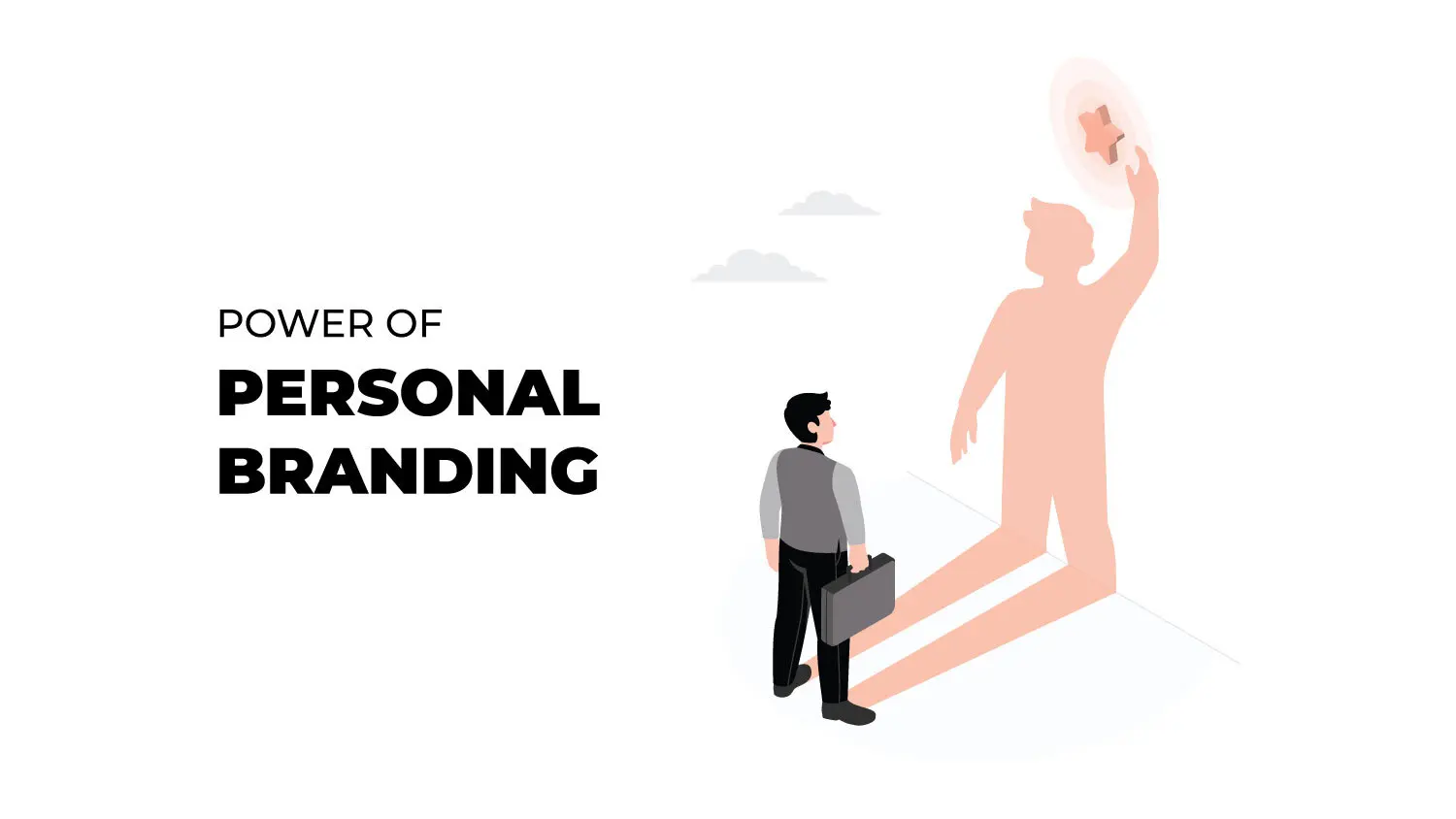
Personal Branding

In today’s world, personal branding has become more than just a buzzword—it’s a necessity. Your digital fingerprint functions as your personal brand regardless of being an entrepreneur or creative professional or corporate leader. The way you showcase yourself to society enables you to stand apart from competitors while establishing rapport with those you want to reach. Pixtar understands branding fundamentals, so we lead customers through branding their digital personae to success.

Why Personal Branding Matters?

Modern digital environments shape the way we share information through networks of communication and distribution of data. Every person today possesses digital platforms including social media and professional networks LinkedIn as well as personal websites that they can use to share their narratives. The major challenges of fierce competition accompany every significant opening opportunity. The establishment of a robust personal brand makes you distinguished while building trustworthiness as it enables meaningful relationship building.


Your professional identity needs to be understood as the concept of personal branding. Your professional profile extends beyond job responsibilities because it represents both character and core principles and the way you create meaningful value. The way people discover you online through your personal brand enables brand-new professional possibilities together with cooperative efforts which advance your professional development.

Actionable Tips for Personal Branding

Tips on personal branding

Define Your Unique Value Proposition

Your professional brand needs to demonstrate your main skills and approved expertise together with your selected interests. A self-evaluation should begin by determining what distinguishes you from others. What problems can I solve? What professional identity do I wish people to associate with me? The answers you provide will serve as your brand core.

Curate Your Online Presence

Your online presence is your digital storefront. Audit your social media profiles, website, and other digital touchpoints to ensure they align with your personal brand. Use a consistent tone, style, and visual identity across all platforms.

At Pixtar, we specialize in web development and branding, and we’ve seen firsthand how a polished online presence can elevate a personal brand. Consider investing in a professional website or portfolio that showcases your work, achievements, and personality. As a personal branding agency, we understand the importance of creating a cohesive and authentic image that resonates with your audience. From designing a visually appealing website to crafting a compelling narrative, we help you build a strong online presence that aligns with your goals.

Leverage Content to Showcase Expertise

Content is one of the most powerful tools for personal branding. Share your knowledge, insights, and experiences through blogs, videos, podcasts, or social media posts. By consistently providing value, you position yourself as an authority in your field.

Engage and Network Authentically

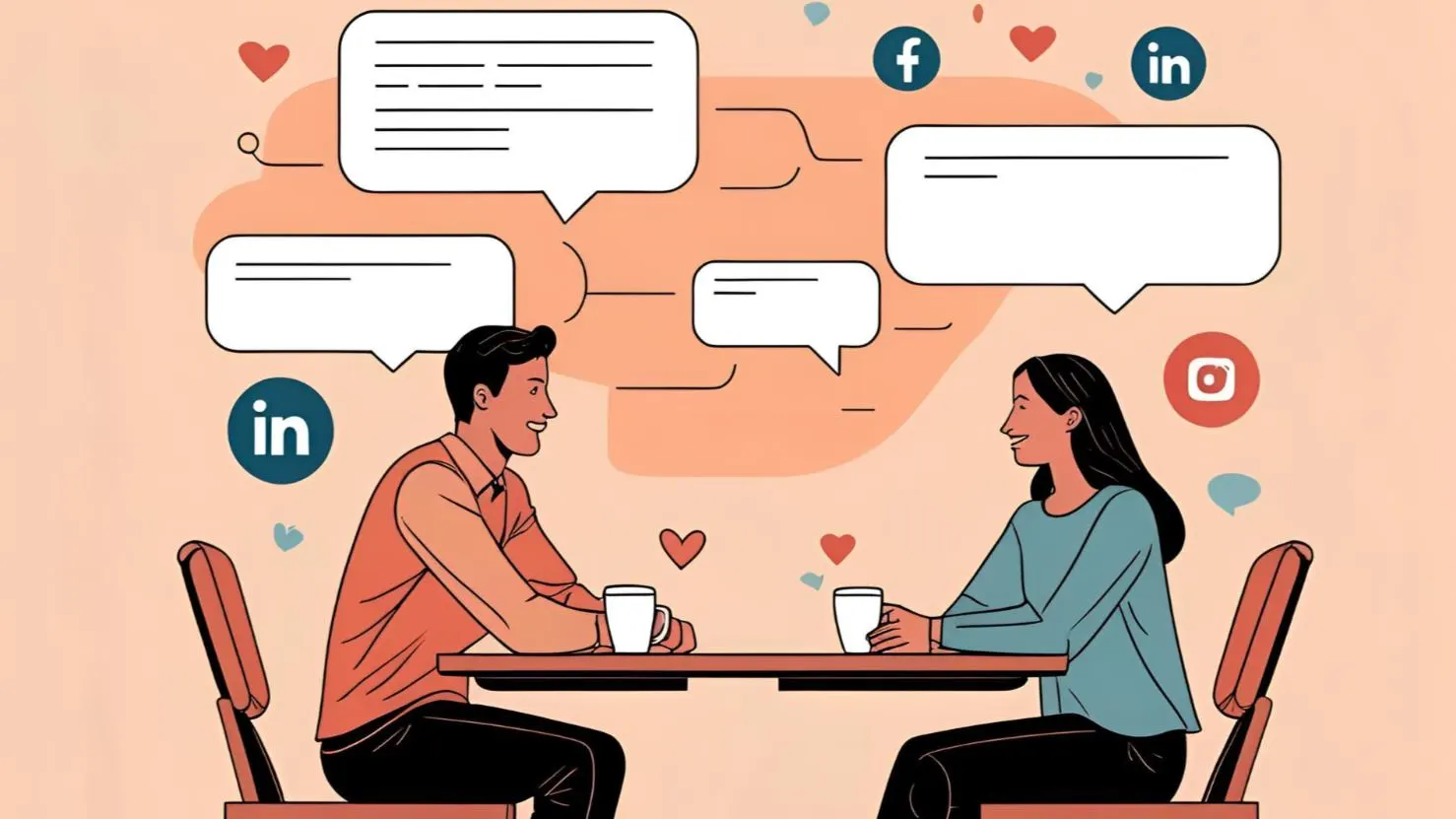
Personal branding isn’t just about self-promotion—it’s about building relationships. Engage with your audience by responding to comments, participating in discussions, and sharing others’ content. Networking, both online and offline, can help you expand your reach and create meaningful connections.

Platforms like LinkedIn are ideal for professional networking. Join industry groups, attend virtual events, and connect with like-minded professionals. Remember, authenticity is key. People are drawn to brands that feel genuine and relatable.

Invest in Professional Branding Services

Crafting a personal brand can be overwhelming, especially if you’re juggling multiple responsibilities. That’s where professional branding services come in. At Pixtar, as a personal branding agency in Dubai, we offer end-to-end branding solutions, from logo design to website development, to help you create a cohesive and impactful personal brand.

Our team of experts can help you define your brand identity, design visually appealing assets, and develop a strategy to amplify your online presence. With our support, you can focus on what you do best while we handle the rest.

Monitor and Adapt

The digital landscape is constantly evolving, and so should your personal brand. Regularly monitor your online presence, track engagement metrics, and gather feedback to understand what’s working and what’s not.

Stay updated on industry trends and adapt your strategy accordingly.

The Pixtar Advantage

At Pixtar, we believe that every individual has a unique story to tell. Our mission is to help you tell that story in a way that resonates with your audience. Whether you’re a startup founder, a creative professional, or a seasoned executive, our branding, web development, and design services are tailored to meet your needs.

From crafting a compelling brand identity to building a user-friendly website, we’re here to help you make a lasting impression in the digital age. Let us be your partner in personal branding and take your professional identity to the next level.

Conclusion

In the digital age, personal branding is no longer optional—it’s essential. By defining your unique value proposition, curating your online presence, and leveraging content to showcase your expertise, you can build a personal brand that stands out in a crowded marketplace.

Remember, personal branding is a journey, not a destination. It requires consistency, authenticity, and a willingness to adapt. With the right strategies and support, you can create a personal brand that not only reflects who you are but also opens doors to new opportunities.

Ready to elevate your personal brand? Visit our website to learn more about our branding and other services. Let’s craft a brand that leaves a lasting impression.

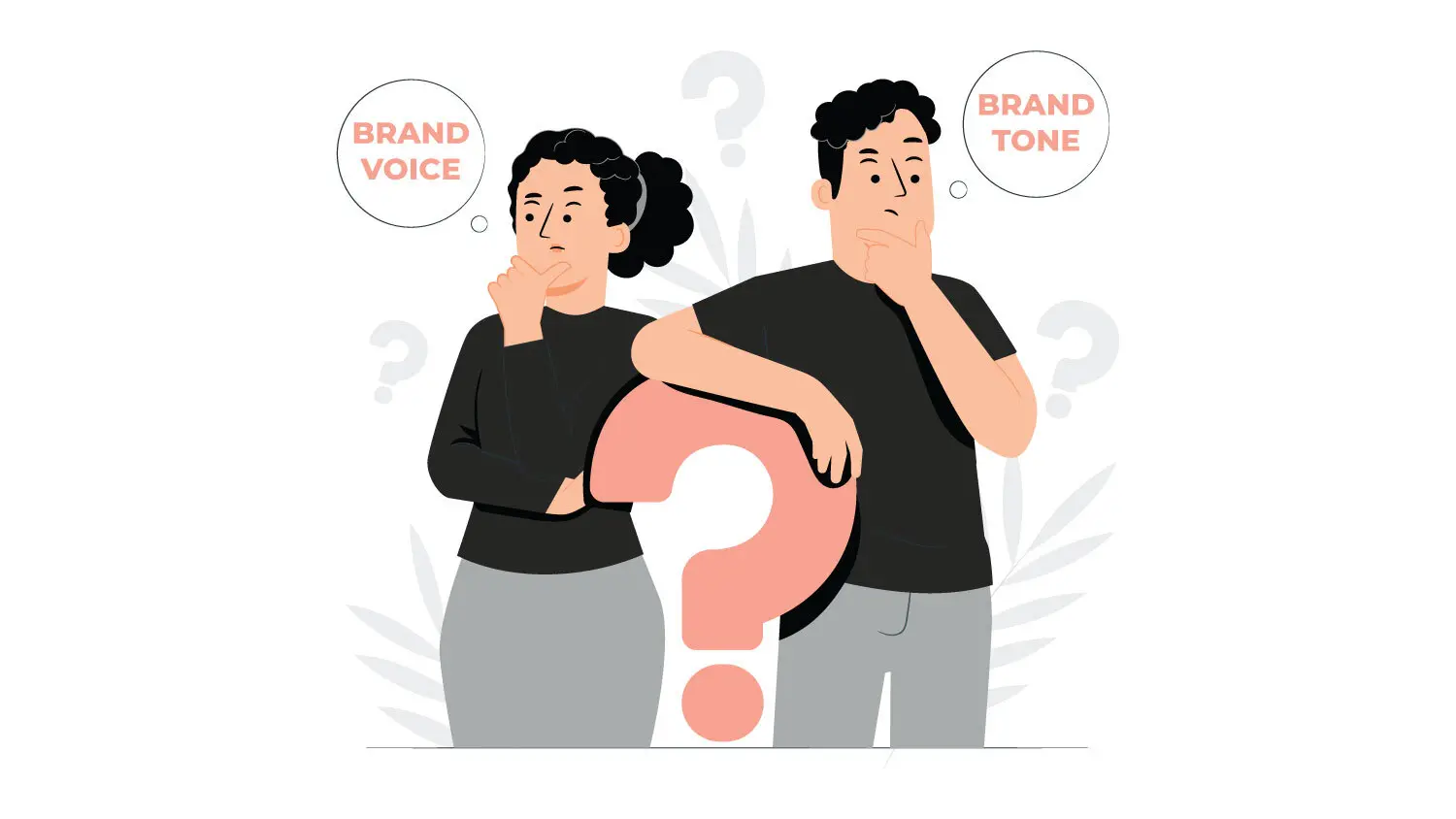
Brand Voice vs. Brand Tone: What Is the Difference?

Brand voice and brand tone

When it comes to branding, businesses often focus on logos, colors, and taglines. While these elements are essential, they’re only a small part of what makes a brand truly stand out. The way a brand communicates—its brand voice and brand tone—is what creates a lasting impression and fosters strong connections with its audience.

But here’s where it gets tricky: many confuse voice with tone or lump them into one term. While they differ, but closely related, their distinctions can help the brand in communicating better and gaining loyal customers.

So let’s break it down.

What is Brand Voice?

Brand voice is the personality of a brand. It is how your brand speaks across all platforms—whether on your website, social media, emails, or advertisements; it is the way your brand speaks across all platforms.

Your brand voice does not change according to the situation. It is representative of your company values, mission, and overall identity. If your brand were a person, its voice would be the unique way it expresses itself, no matter the circumstances.

Key Features of Brand Voice:

Consistent: Does not change according to context or mood.
Unique: It differentiates your brand from competitors.
Personality-based: Reflects your brand’s core values and mission.

Examples of Brand Voice:

Nike: bold, motivating, and inspirational.
Wendy’s: witty, humorous, and sometimes sarcastic.
Apple: clean, classy, minimalistic.

If you strip away logos and images, your audience should still recognize your brand just by reading your content. That’s the power of a strong brand voice.

What is Brand Tone?

If brand voice is the personality, then brand tone is the mood in which that personality speaks.

Your tone adapts based on the context, audience, or situation. For example, a brand might use a friendly and lighthearted tone on social media but a more formal and reassuring tone in customer support emails.

Your brand voice will be the same, while your tone may adapt to fit the situation.

Key Features of Brand Tone:

Flexible: It will vary according to the audience and the message.
Context-based: It adapts to different platforms and situations.
Emotion: It delivers feelings like excitement, urgency, or empathy.

Examples of Brand Tone Variations:

Social Media Post: “Hey! We’ve got something exciting coming for you. Check back so that you don’t miss a thing!” (Casual and engaging)
Customer Support Email: “We understand how this can be very frustrating. Our team is working on a solution, and we will update you as soon as possible.” (Reassuring and professional)
Website FAQ Section: “Need Assistance? Here is some of the most common questions and answers to guide you.” (Helpful and informative)

A great brand knows when to change its tone but always knows how to deliver that changing tone with the same voice.

Brand Voice and Brand Tone: Comparison

FeatureBrand VoiceBrand Tone
DefinitionThe unique personality of the brand.The mood or attitude used to communicate.
ConsistencyAlways stays the same.Changes based on context.
PurposeDefines how a brand expresses itself.Helps convey emotions and adapt to different situations.
ExamplesFriendly, bold, professional, playful, authoritative.Excited, empathetic, formal, urgent, and casual.

Why do Brand voice and brand tone matter for your brand?

Both brand voice and brand tone hold great importance in shaping the perception of a brand. For instance, consider a brand that keeps changing its voice from formal and professional to the next, wherein the brand is playful and funny; such a brand would confuse customers and ultimately weaken brand trust.

At the same time, if a brand is not adjusting its tone whenever required, it may come across as robotic or insensitive. For example, it would be inappropriate for a company to reply to a customer complaint in a cheerful, upbeat tone.

How to Define Your Brand Voice and Brand Tone?

If you’re creating a new communication strategy for your brand, here’s how to establish a clear voice and an adaptable tone:

Identify Core Values of Your Brand – What does your brand stand for? What personality do you want it to convey?
Audience Analysis—Who are you speaking to? What language and style resonate with them?
Create Guidelines for Brand Voice—Set down which are the key characteristics of your voice and give some examples of do’s and don’ts.
Tone Variants—Decide how your tone will shift in different contexts (such as marketing campaigns vs. crisis communication).
Train Your Team—Make sure that every individual creating content understands the guidelines and follows them.

Final Thoughts:

A strong brand voice helps your business stand out and create a recognizable identity, while the right tone ensures that your message is delivered in the best way possible. Thus, together, they shape how the world will understand and interact with the brand.

By understanding and mastering the difference between brand voice and brand tone, you’ll be able to communicate with clarity, consistency, and authenticity—building a brand that truly resonates with your audience.

Define your brand voice and brand tone today! It starts with considering how you want your brand to be perceived and making sure your communication lines up with that vision.

Need Help Crafting a Strong Brand Voice and Brand Tone?

At Pixtar, we are good at developing strong brands that can connect with the audience and create an impression. Our team will take you through the brand voice and brand tone development process whether you are starting a new or refining your currently existing brand.

Let us bring your brand to life! Contact us today to get started.

Debunking Common Myths About Branding

Branding Myths

Branding—it’s one of those buzzwords that gets thrown around a lot, but what does it really mean? Many people think branding is only for massive corporations with million-dollar budgets. Others assume it’s just about having a nice logo. But here’s the truth: branding is for everyone, and it’s more than just visuals. Let’s bust some of the most common branding myths and set the record straight.


Myth #1: Branding Is Only for Big Businesses

Ever heard someone say, “I’m just a small business; I don’t need branding”? That’s like saying, “I don’t need an identity”. Whether you’re a solo entrepreneur, a local bakery, or a freelancer, branding helps you stand out in a crowded market.

Apple brand products

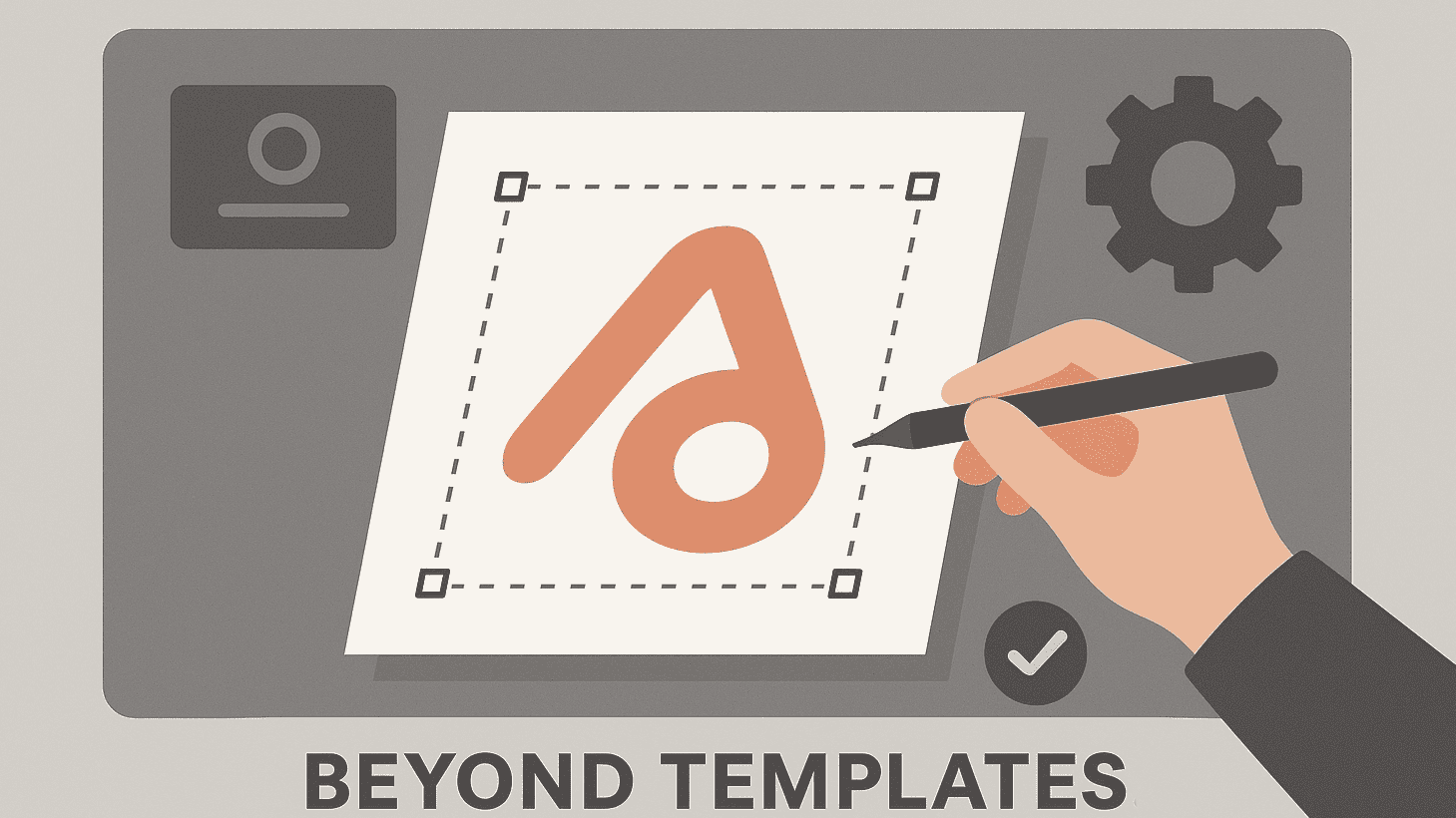
Branding isn’t just about a flashy logo or an expensive ad campaign—it’s about how people perceive you. It’s the emotions, trust, and connection your audience feels when they interact with your business.

Even if you’re just starting, having a clear brand message, personality, and values can help you attract loyal customers. The big brands we admire today—Nike, Apple, Coca-Cola—all started small but grew strong because of consistent branding. So here we busted one of the common branding myths.


Branding Myths #2: Branding Is Just About a Logo

Sure, logos are important, but branding is so much more than that. Think about your favorite brands—why do you love them? It’s not just their logo; it’s the experience, the story, and the connection they create.

Branding includes:

  • Your tone of voice (Are you fun and playful or serious and professional?)
  • Your customer experience (How do people feel when they interact with you?)
  • Your mission and values (What do you stand for?)
  • Your visuals (Yes, including your logo, but also colors, fonts, and design style)

A logo is just a tiny piece of a much bigger branding puzzle. Let’s discuss the next one from the list of branding myths.


Myth #3: Branding Is Expensive

Here’s the truth: branding can be expensive, but it doesn’t have to be. You don’t need a massive budget to build a strong brand—you just need consistency and authenticity.

  • Social media lets you showcase your brand personality for free
  • A well-designed website doesn’t have to cost a fortune
  • Providing great customer service builds a positive brand reputation

Branding is really about how you make people feel—and that doesn’t cost a dime.


Myth #4: Branding Is Only About Getting New Customers

Yes, good branding attracts customers, but even more importantly, it keeps them coming back. Loyal customers are the backbone of a successful business.

Image by rawpixel.com on Freepik

Think about brands like Starbucks or Apple—people don’t just buy their products; they connect with their brand. If you build a brand that people love and trust, they’ll stick with you for years.

A strong brand creates:

  • Customer loyalty
  • Word-of-mouth marketing
  • A sense of community

Branding isn’t just about getting customers; it’s about keeping them.


Myth #5: You Can “Set and Forget” Your Brand

Branding isn’t something you do once and move on—it’s an ongoing process. Your brand evolves as your business grows, as trends change, and as you learn more about your audience.

Regularly check in on your brand:

  • Are your values still aligned with your business?
  • Are you connecting with your audience the right way?
  • Is your messaging consistent across platforms?

Think of branding as a relationship. If you ignore it, it fades. But if you nurture it, it thrives.


Final Thoughts on Branding Myths: Branding Is for Everyone

No matter how big or small your business is, branding matters. It’s not just about logos or expensive marketing—it’s about the experience you create for your audience.

So, whether you’re just starting or looking to refine your brand, focus on authenticity, consistency, and connection—and your brand will naturally grow stronger.

What branding myths have you believed in the past? Let’s talk in the comments!

What is Brand Archetype and Why does it Matter?

Brand Archetypes
Brand Archetypes: Unlocking the True Potential of Your Brand

Every brand has a story. But what makes some brands unforgettable while others fade into the background? The secret lies in Brand Archetypes—a powerful psychological framework that helps brands forge deep emotional connections with their audience by embodying a distinct personality and purpose. When done right, a strong brand archetype becomes the foundation of a compelling brand identity, guiding everything from messaging to design and customer interactions.

What Are Brand Archetypes?

Carl Jung, a Swiss psychologist, introduced the concept of archetypes, who believed that human behavior is determined by universal characters residing in our collective consciousness. These archetypes tap into fundamental human desires, aspirations, and fears, making them particularly relatable.

In branding, these archetypes serve as a strategic blueprint to define a brand’s voice, tone, and overall persona. When a brand embodies a recognizable archetype, it resonates deeply with customers because it taps into emotions and experiences they instinctively understand. This familiarity breeds trust, loyalty, and strong brand affinity.

The 12 Brand Archetypes and Their Unique Identities

Every bard Archetype tells its own story and grabs people’s attention in a completely new way. These personas help businesses align themselves well with the market.

The Innocent — Pure, optimistic, and trustworthy. Innocent brand defines sincerity and spreading happiness and positivity as a goal. (example: Dove, Coca-Cola)

The Explorer — Adventurous, bold, and independent. Explorer brand types foster exploration and new experiences. (example: Jeep)

The Sage – Wise, knowledgeable, and insightful. These brands are truth-seeking entities and take pride in seeking and embracing wisdom. (example: Google, TED Talks)

The Hero — Brave, determined, and inspiring. Hero brands aim to make the world a better place through perseverance and strength (example: Nike, Adidas)

The Outlaw — The rebellious, disruptive, and bold. Outlaw brands challenge the status quo and create movements. (example: Harley-Davidson, Diesel)

The Magician – Visionary, transformative, and charismatic. These brands inspire wonder and innovation. (example: Apple, Disney)

The Creator –Imaginative, expressive, and artistic. Creator brands focus on originality and self-expression. (example: LEGO, Adobe)

The Caregiver – Nurturing, selfless, and compassionate. Through empathy and protection, they are the ones who make sure they get along and remain safe. (example: Johnson & Johnson, UNICEF)

The Ruler – Powerful, authoritative, and confident. Ruler brands represent control, prestige, and exclusivity. (example: Rolex, Mercedes-Benz)

The Lover –Passionate, indulgent, and sensual. These kinds of brands tap into emotion and aesthetics. (example: Victoria’s Secret, Chanel)

The Jester – Fun-loving, entertaining, and spontaneous. The jester brands are the entertainment industry veterans who master storytelling in a fun and light-hearted way always. (example: M&M’s, Old Spice)

The Everyman – Approachable, relatable, and humble. Any people regardless of their background can associate with the Everyman brands which helps them to feel comfortable and accepted. (example IKEA, Target)

Why Your Brand Needs an Archetype?

A brand that is without an archetype is like a story without a main character that is bland, forgettable, and disconnected from its audience. Identifying your brand’s archetype can help in several ways:

Authenticity & Relatability: The strong personality of your brand gives it a more real and genuine feeling, and by so doing fosters a further customer relationship with it.

Consistency Across All Touchpoints: From marketing campaigns to customer interactions, an archetype provides a unified brand voice and identity.

Stronger Emotional Connection: Brands that reflect people’s values, wishes, and experiences more are most likely to be loved by the people.

Differentiation in a Crowded Market: A well-defined archetype helps you stand out, giving your brand a distinctive presence in your industry.

How to Identify Your Brand’s Archetype

In case you are curious about determining your brand’s archetype, you are supposed to follow these steps:

Decide what your brand stands for – What is your brand’s mission? What emotions do you want your customers to feel when they interact with your brand?

Know Your Target Audience – What kind of customers do you think are the decent ideal one’s for you? What drives them? Which archetype is the best way to approach that figure with their expectations to make them feel.

Examine your Brand Personality – Is your brand mostly about fun and excitement or are you more of a supporter of knowledge and guidance? The practice of identifying primary traits will assist you to unearth your archetype.

Align with Visual & Verbal Identity – Once the archetype you choose has been laid out, the connection between every message, design, and customer interaction you make with it should be a reflection of such archetypal positioning. Things such as the choice of logo and the branded voice to be used should be in harmony with the chosen archetype.

Conclusion

The selection of the right brand archetype is not just about marketing – it is a process of forming an identity that is real, inspirational, and deeply emotive to the public. Whether you’re the bold Hero, the nurturing Caregiver, or the visionary Magician, your archetype will guide how your brand is perceived and remembered.

At Pixtar, we specialize in helping businesses discover and develop their brand archetypes, ensuring they tell a compelling and cohesive story. If you’re ready to unlock the full potential of your brand and create an emotional connection with your audience, let us bring your brand to life together!

Branding vs Advertising: Do you Know the Key Differences?

Branding vs Advertising

In the dynamic landscape of business growth, the concepts of branding vs advertising often emerge as intertwined yet distinct components of success. While they are frequently mentioned together, it’s essential to understand that branding and advertising serve unique and complementary purposes. Branding focuses on crafting a lasting identity and emotional connection with your audience, whereas advertising concentrates on promoting specific products or services to drive immediate results. In this discussion, we’ll delve into the key differences between branding vs advertising, their individual roles in your business strategy, and actionable insights on how to leverage both effectively to achieve sustainable success.

Definition of Branding vs Advertising:

What Is Branding?

Branding is the procedure of establishing a unique identity for your company that reflects your values, mission, and vision. It covers:

Logo and Visual Identity: Colors, fonts, and design elements.

Brand Voice: The tone and style of communication.

Customer Perception: How your audience feels about your business.

Core Values: The beliefs that drive your brand.

Image source: Freepik

Branding is not only about creating an impression that is memorable but also about making it stand out from the rest of the competitors.

Then, What Is Advertising?

Advertising, on the other hand, implies promoting of your products or services through the channels that are paid for. Sending the following data:

Campaigns: Focused efforts to achieve specific goals.

Channels: Social media, TV, print, or digital ads.

Messaging: Highlighting offers, benefits, and calls-to-action.

Image source: Freepik

Advertising is short-term and is directed towards providing instant effects such as purchasing a product or visiting a website.

Key Differences Between Branding vs Advertising

Purpose:

Branding: Creates a lasting impression and loyalty over the long term.

Advertising: Makes consumers immediately aware and drives sales.

Focus:

Branding: Is more centered around what are you, as a business.

Advertising: Is more about what you are offering consumers.

Timeline:

Branding: It never stops, and it changes with time.

Advertising: This is the one that is done for some time and starts and ends at a specific moment.

Emotional vs. Transactional:

Branding: Partnerships are established by crafting the emotional state.

Advertising: Shows the buyer how they benefit from the purchase.

How Branding and Advertising Work Together

For businesses to succeed, brand awareness and strong advertising are both necessary. The following is the relationship that they have is what makes them compatible:

Branding as the Foundation: When your brand is very strong, your advertising will be more successful if your customers can learn to recognize your brand and get the same message everywhere.

Advertising for Amplification: Advertising helps to publicize your brand along with your products and services to a broader audience.

Building Trust and Driving Action: Branding is the one that guarantees the trust of the consumers while at the same time, advertising provides incentives to buy the products.

Practical Tips for Balancing Branding vs Advertising

Adapt to Trends: While your brand identity remains stable, adapt your advertising strategies to align with current market trends and audience behaviors.

Set Clear Objectives: Define whether your campaign is about building awareness (branding) or driving immediate sales (advertising).

Invest in Consistency: Ensure your branding elements—like logo, color palette, and tone—are consistently reflected in your ads.

Analyze Metrics: Use analytics tools to measure the impact of your branding efforts and the ROI of your advertising campaigns.

My Take on Branding vs Advertising

Branding is the roots of the tree—it’s the foundation of your business that provides stability and identity. Without strong roots, the tree (your business) cannot grow or thrive.

Marketing is the stem or trunk—it connects the foundation (branding) to the branches and leaves (advertising and customer engagement), serving as the structure through which everything flows.

Advertising is the nourishment, such as sunlight and water, that helps the tree grow and flourish. It provides the short-term boosts necessary for growth, like driving immediate awareness and sales.

Together, these elements ensure the health and longevity of the tree (your business). Strong branding ensures resilience, marketing provides direction and strategy, and advertising delivers growth and visibility. These elements work together to drive a company’s growth. Branding forms the roots hidden beneath the surface—if they are not strong and deep, the tree (your business) may topple. Marketing acts as the stem, channeling the brand’s strength, while advertising provides the necessary nourishment. Without consistent care, the tree may struggle to grow, remain stunted, or even wither away.

However, in some circumstances, companies such as Coca-Cola put a lot of effort into branding in terms of trying to bring back feelings of happiness and nostalgia since their advertising campaigns might also be about other things like new flavors or seasonal deals.

Conclusion

Branding and advertising are the two sides of the same coin of successful marketing. They are complementary in business, and they bring the financial and popular recognition that is needed. Branding provides the groundwork for successful business positions, and coherent advertising amounts to the right audience.

Are you looking to create a brand that is known for being unique and an advertising strategy that generates real sales? We can be of great assistance. Contact the Pixtar Design Agency to take advantage of their available services!

What’s the Key Difference Between Branding and Marketing?

Branding and marketing diffrence

If you’ve ever had the feeling that branding and marketing are rather similar, you are definitely not alone. Many people use these terms interchangeably, but they play unique roles in business growth. Let’s get down and look at the divisions between them and clarify how they work together to create a memorable, profitable brand.

Understanding Branding: More Than Just a Logo

The character of branding is related to how others view your business. Your logo, or your tagline is just one source, but it also covers the soul of the organization’s core. Branding is the cornerstone of your identity, the one thing that needs to be right for your whole brand to succeed. It is the one that states your values, character, and the way you emotionally relate to your customers.

Key Points:

  • Branding answers the question: Who are we as a business?
  • It creates a consistent experience that builds trust and loyalty.
  • Successful branding helps people instantly recognize and connect with you.

When you focus on branding, you create an image that resonates deeply with your audience. This is such a link that makes regular customers become our most faithful supporters.

Marketing: How You Spread the Word

Marketing is how you promote your brand. The approaches and methods you take to deliver your message and make people curious about the things you are offering. Unlike branding, which is constant, marketing campaigns may change based on goals, trends, or seasons.

Key Points:

  • Marketing answers the question: How will people find out about us?
  • It involves strategies like social media ads, content, and email campaigns.
  • Effective marketing drives awareness, conversions, and sales.

Marketing is the vehicle through which your brand’s message is communicated to the world. If the heart is the branding, the voice is the marketing.

Why People Confuse Branding and Marketing?

Branding and marketing are closely linked, so it’s easy to see why people confuse them. Here’s an analogy:

Think of it as a human being. Branding is the soul, the spirit, the style of that person. Marketing is the way this person expresses his/her thoughts and interacts with other people. You need both for people to know who you are and why they should care.

The Impact of Confusing the Two:

When brands mix up their branding with their marketing, they risk focusing too much on promotions without building a strong identity. This can lead to:

  • Inconsistent messaging that confuses customers.
  • Short-term growth without long-term loyalty.
  • Wasted resources on strategies that don’t align with the brand’s core values.

A brand without marketing stays hidden. Marketing without branding feels empty. For success, both need to work in harmony.

How to Use Both Effectively

A business that can both grow and develop will have a strong brand and an effective marketing strategy. Here’s how to align them:
  • Define Your Brand First: Set your brand values, voice, and story straight before marketing.
  • Create Consistent Messaging: Ensure your brand’s message is the same across all marketing channels.
  • Build Trust through Branding: Use the unique characteristics of the brand to convey your thoughts.
  • Leverage Marketing Strategies: Use social media, ads, and content to spread your message effectively.
Summary:

Branding and marketing each serve unique purposes but are essential together. Branding sets the stage, while marketing draws the audience in. So, the next time you strategize, ask yourself: Are we showing who we are, or simply promoting what we offer?

Understanding this difference can help your business build lasting customer relationships and achieve sustainable growth.

Top 5 Branding Trends for 2025: A Guide to Staying Ahead

Brand trends

“Note: The story and character Maya and her brand-Aura, are fictional and used to illustrate branding trends for 2025.”

Maya is the owner of a boutique brand Aura creations known for its sustainable fashion, found herself reflecting on her journey. Her business had grown steadily over the years.

One day when Maya gazed out over the bustling city streets from her boutique window, she couldn’t help but think about how quickly the branding landscape was changing. With 2024 coming to an end, she knew that staying relevant meant understanding the branding trends for 2025 that would shape customer expectations.

From sustainability to immersive digital experiences, these trends weren’t just fleeting ideas—they were a blueprint for how brands like her Aura creation could thrive in an ever-evolving market. Maya felt a surge of determination as she made a note: to keep Aura Creations ahead, she needed to embrace these trends and make them central to her strategy for the coming year.

1. Sustainability: More Than a Trend, A Brand’s Backbone

One of Maya’s most important moves in 2024 had been the sustainability planning. She had always been passionate about the environment, but this year, she took it a step further. She reduced the use of plastic in her packaging, switched to organic cotton for her clothing line. Also started sourcing materials from fair-trade certified farms.

It wasn’t just about making her brand appear more eco-friendly. It was about building a relationship with her customers based on trust and shared values. While Maya was reading the customers’ feedback, she got an insight and realized that it was not only the great product they wanted but also to see their purchases as a response to their personal values.

top 5 branding trends of 2025, Brands Patagonia and IKEA is shown for sustainable brand

For Maya, being green is not a tool for marketing; it actually has become a part of Aura Creation’s nature. Nevertheless, she was sure that it would be the one of the branding trends in 2025. Companies such as Patagonia and IKEA, for instance, have already thrived as the champions of this realm, while Maya would probably follow in their footsteps soon. She could see that sustainability was becoming a core element for brands that wanted to be seen as authentic and responsible.

2. Immersive Brand Experiences: Engaging More Than Ever Before

As Maya worked late into the night, she recalled the event she had hosted earlier that week. Her customers came not only to try on the clothes but rather to experience the brand. She had partnered with a local artist to create an interactive fashion show that incorporated augmented reality (AR). That allowed guests to see 3D models of the clothing they were trying on. It was an unforgettable experience that left her guests talking long after the event was over.

She realized that this is the future of branding. It wasn’t enough for the customer to simply purchase products; they wanted to engage with the brand on deeper and more personal level. In 2024, brands have begun to utilize experiences to the full extent in order to create new levels of engagement, and Maya, therefore, knew this would be a stronger trend as 2025 loomed closer.

Use of Augmented Reality for brand Nike

Examples of industries far ahead of them include Nike and Sephora which have specific retail and digital spaces prepared for the use of augmented reality and virtual reality. Maya started imagining how she could integrate this into her brand’s experiences, such as virtual try-ons, live-streaming fashion shows, and behind-the-scenes tours.

3. Mobile-First: A Design for the Digital Age

On a chill night, Maya was doing some tasks related to her business and thus sat down to have a look at her website’s analytics. She noticed that most people are visiting Aura Creations using their smartphones. And what struck her most is the percentage of those who left the site without buying anything. The reason for this? The Desktop-First Design.

In order to fix this issue Maya invested in a full redesign of her website, where mobile-first design was applied. Now, shopping has become an easier with cleaner interface, quick load times, and seamless checkout experience, no matter where the customers are. She was anticipating a 2024 trend that would only become more prominent in 2025: brands must design for mobile, or they risk being left behind.

As mobile traffic continued to increase, brands that prioritized mobile-first experiences would remain ahead of the curve. Maya felt confident in her decision to make this a priority—after all, her customers were always on the go, and her brand needed to be with them every step of the way.

Read the blog Responsive web design in Dubai to know more about the responsive web design.

4. Authentic Influencer Partnerships: Trust in a Crowded Market

Maya always had doubts about working with influencers. She didn’t really like the idea that the famous people are being paid for the advertisement of her clothes. But when she started collaborating with a local fashion blogger, Eliza, her perspective changed. Eliza wasn’t just an influencer—she was a loyal customer who truly believed in Aura Creation’s mission

The campaign was so successful, not because of the amount of likes, but because of the genuine expressions it came with. Maya has come to the understanding that in 2024, the influencers that actually are loyal to a brand’s goals will be infinitely better than the ones who do it for money. As 2025 approached, Maya knew this trend would become even more pronounced, with customers seeking authenticity over popularity.

Companies like Glossier and Chobani have taken great advantage of micro-influencers whose followers already trust their judgment. Maya’s insight was to become very intense with those partnerships for Aura Creation’s voice to remain authentic and clear in 2025.

5. Purpose-Driven Branding: A Call to Action

Maya’s final thought as she closed her laptop for the night was about her brand’s purpose. Back in 2024 she launched a program that a portion of every sale went to protect and support the local communities and small businesses. She saw firsthand how this resonated with her customers, many of whom were passionate about supporting brands that stood for something greater than just profit.

She was aware that soon this trend would be more crucial than ever. Customers are no longer just looking for quality products but for brands that are leading the way to positive change. Purpose-driven branding was no longer a trend—it was a movement that was reshaping how businesses approached their mission and vision.

Image Credit to TOMS Website

Brands like Ben & Jerry’s and Toms have laid the foundations of business of kindness without greed and Maya is going to champion the same way with this branding trends for 2025 with Aura Creations.

Conclusion: Embracing the Future of Branding

As Maya looked out over the city one last time, she knew that Aura Creations had a bright future ahead. By embracing the branding trends of 2024—sustainability, immersive experiences, mobile-first design, authentic influencer partnerships, and purpose-driven branding—she had laid the groundwork for a brand that would resonate deeply with customers in 2025 and beyond.

In the same manner as Maya who had her shop evolve into a brand that was not only a store but also a type of institution, other brands can take these trends into consideration to shape their future. Pixtar helps businesses leverage these branding trends and make them part of their marketing strategies that eventually lead to growth, engagement, and long-term profits.

Ready to take your brand to the next level in 2025? Let’s make it happen. Contact Pixtar today.