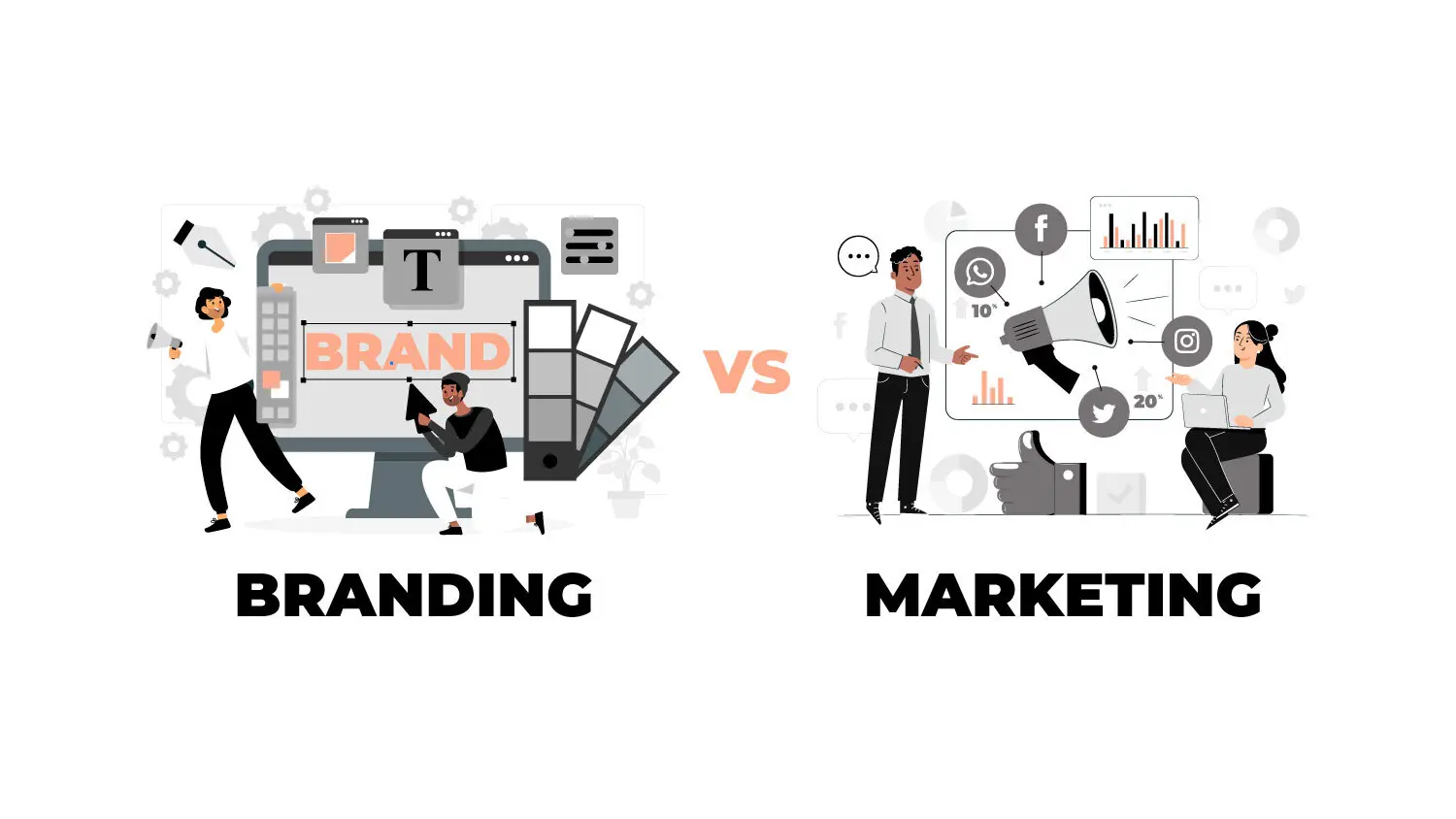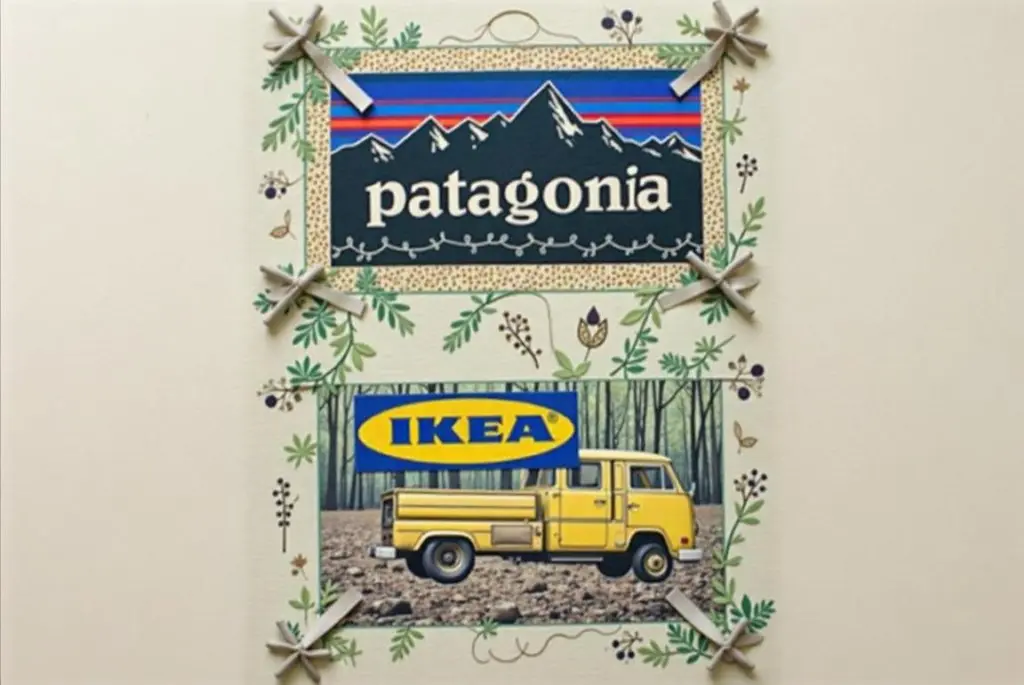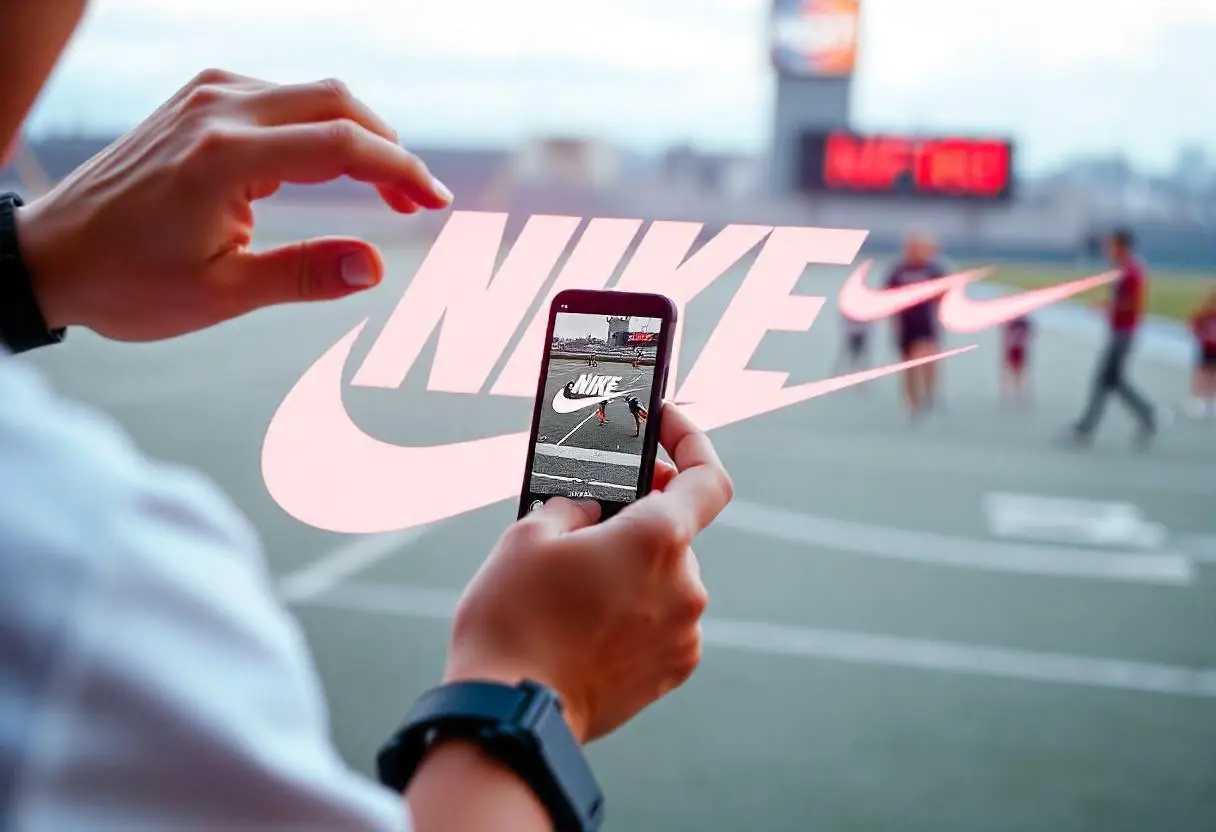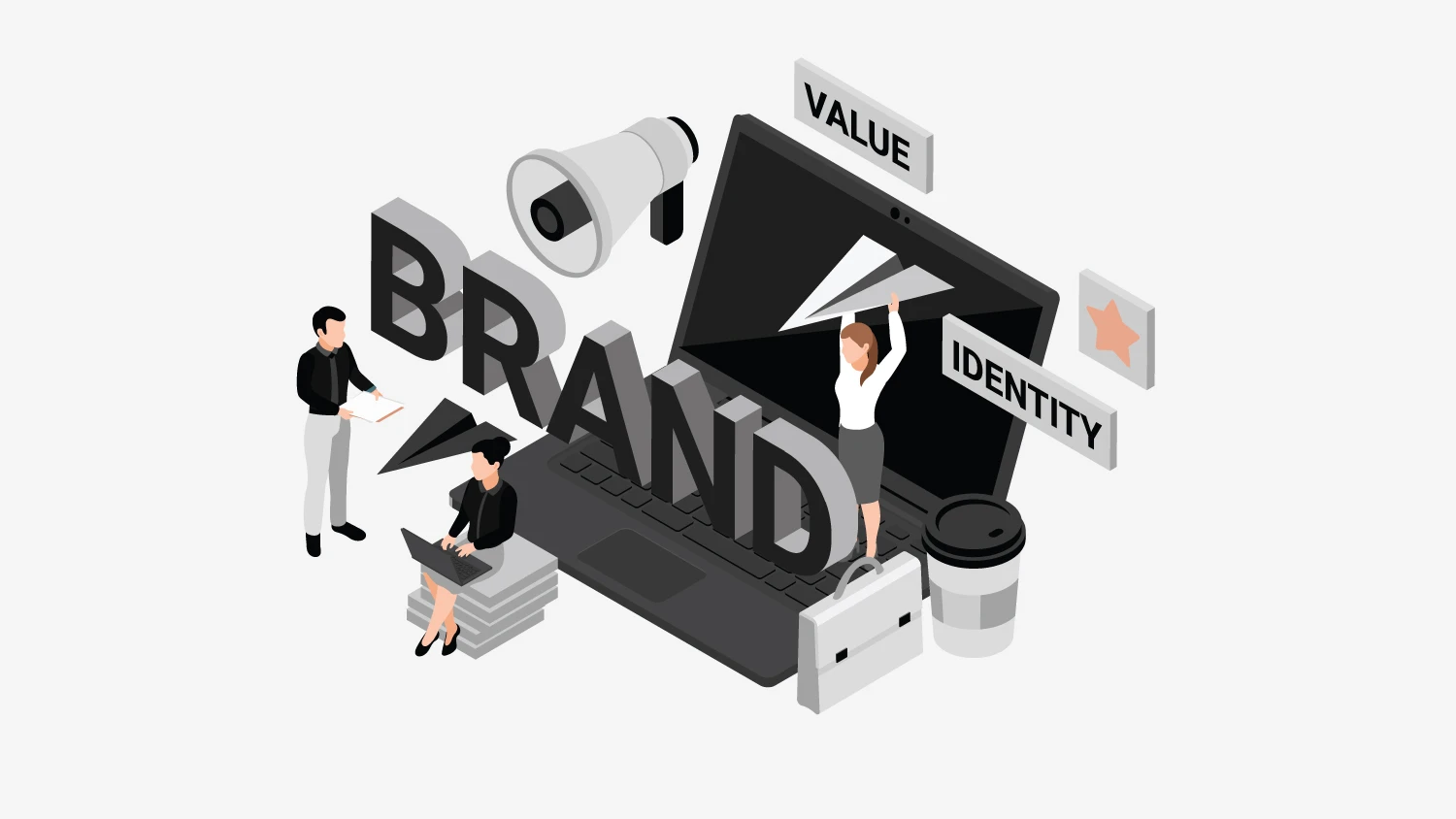
5 Books You Must Read on Branding!

illustration of books on branding with idea of learning and creativity in branding

Branding is the heart and soul of any business. It is the way the world sees a product or service. One of the best ways to deepen your understanding is through books on branding written by experts who have walked the walk. If you are a brand strategist, it doesn’t matter whether you are just a beginner or whether you are a seasoned pro. Brands are always changing everywhere, and there are always new things in the world of branding. We have compiled the best 5 books on branding that provide valuable advice to help you understand branding in a better way.

Let’s take a look at the best 5 books on branding that will help you step up your branding game!

1. “Building a Story Brand” by Donald Miller

Taking up this book seems like a good idea especially if you are struggling with brand messaging. Donald Miller guides the craftsmanship of storytelling in a very simple and direct way and thus, you can easily adopt the approach and relate to your audience. He has a unique skill that he turns into a step-by-step guide that every brand can use to share its story, and excite, if not, engage the audience. If you want the brand’s narrative to be taken into a new dimension, then that would be the right choice for you!

Key Takeaway: Emphasize your customer as the hero of the story, in no way your brand.

2. “The Brand Gap” by Marty Neumeier

Thinking about the difference between strategy and creativity in branding? If you are, then The Brand Gap should be one of the first books you read. This is where Marty Neumeier has given an insight into the postulates of the most successful brands of all time. It’s the perfect book for anyone who wants to bridge the gap between logic and creativity.

Key Takeaway: Branding is about closing the gap between business strategy and customer experience.

3. “Zag” by Marty Neumeier

Of course, maybe you are fed up with the books by this author, but the fact is that they are very interesting, and “Zag” is no exception! Zag takes branding to the next level, focusing on differentiation. When everyone else zigs, Neumeier encourages you to “zag.” This book is a blueprint for standing out, especially in today’s saturated market where originality is everything.

Key Takeaway: Find your brand’s radical differentiation point to truly stand out.

4. “Start with Why” by Simon Sinek

This is just not a book on branding, it’s about leadership and purpose. According to Simon Sinek, truly great brands and businesses are the ones that always act with “Why” in mind. Besides the social sector, customers are looking for the brands that are on the same page with them in terms of purpose. Start with Why is a fantastic guide for anyone looking to build a brand rooted in purpose.

Key Takeaway: People don’t buy what you do; they buy why you do it.

5. “Branding: In Five and a Half Steps” by Michael Johnson

Michael Johnson’s “Branding: In Five and a Half Steps” provides a multistage strategy to exploring and creating a brand which is, in fact, very useful. This book is based on the entire lifetime of a brand, from preliminary research to the actualization stage, represented with fancy graphics and actual examples. Johnson has innovatively integrated the theoretical and practical aspects of branding which have made it simple and fun for both beginners as well as professionals who have been in the field for a long time.

Key Takeaway: The proper use of things like strategies and creativity is the key to success. This book is built with a practical step-by-step guide that the users could use that would balance creativity with strategy.

Conclusion: The Power of Knowledge—Books on Branding

Each of these books on branding offers unique insights into different facets of branding, from storytelling and differentiation to purpose and positioning. Reading them won’t just help you build a brand; they’ll inspire you to create something meaningful, memorable, and impactful.

Whether you’re rebranding or starting from scratch, these five must-read books on branding will arm you with the knowledge and strategies to make your brand unforgettable. So, grab a copy, start reading, and watch your brand grow! Which is your favorite among these books on branding? Let us know in comments.

The Impact of Font Choice on Branding

Font style tools to show impact of font choice
How the Right Font Can Transform Your Brand’s Identity

Fonts aren’t only messages flashed on a screen; they also represent the personality and speak volumes about your product. They must be similar to the conversational tone we have while chatting with friends. There are times when it is bold and domineering and times when it is mild and inviting. Choosing a font is akin to selecting an outfit for a certain event―it can either make or break the first impression you have on others. Let’s discuss the impact of font choice on branding.

Why Fonts Matter to Your Brand’s Identity

Lots of people do not become aware that the glamorous world of fonts speaks to their hearts and souls. If you catch on to a brand with script typography that is both beautiful and extravagant, do you feel like it’s an exclusive and luxurious brand? It is definitely the case that a modern and easy look is attained with the help of the clean sans-serif font. Fonts become the setting of the play and give energy that words alone can’t always convey. People step in and instantly engage.

1. Making the Connection: Fonts and Emotions

Fonts play the psychological game on us. A serif typography like Times New Roman is shouting at your audience, “We come for business,” while a playful script font can whisper, “We’re fun and creative!”. What needs to be accomplished is to develop the emotional bond that would be relatable to your audience.

For example:

Serif Fonts: They always help to achieve a balanced look, sparking off an air of professional integrity and reliability. So that they are usually the first choice for traditional and well-established brands.

Sans-serif Fonts: These are what you would call let’s say fresh, modern, and approachable look, that are ideal for startups and tech brands.

Script Fonts: Script fonts represent the elegant and personalized aspects of the creative and luxury industries and are thus the perfect choice to work with such brands.

Display Fonts: They grab the attention and set a tone of voice uniquely, so they are ideal for making a bold statement.

2. Consistency Is the Key to Recognition

Consistency in font usage is like showing up to every meeting in the same stylish suit—it builds recognition. When your audience sees the same typography across your website, social media, and marketing materials, it creates a sense of familiarity. It tells them, “This is us, and we stand by our brand identity.”

3. Practical Tips for Choosing Your Font

Feeling overwhelmed with choosing the right font? Don’t worry, we got you covered. Here are the tips that may help you with your selection:

Understand Your Brand’s Vibe: Is your brand all about luxury, or are you aiming for a casual, approachable feel?

Keep It Readable: However cool the typeface is, it should be easy to read on all devices.

Check the Versatility: Make sure it looks great whether it’s on a business card or a billboard.

Know Your Audience: Choose a font that aligns with what your audience expects from a brand like yours.

Real-Life Example: The Magic of a Perfect Font

One of the best examples of the power of font choice is how Coca-Cola uses its iconic script. This handwriting style is not merely a logo but also a feeling. It tells you this the brand is timeless, reliable and is a classic part of everyday life.

Conclusion

Fonts mean more than just letters that spell out your brand; they tell your story. The impact of font choice on branding, fonts have the power to convey your brand’s values, shape perceptions, and connect emotionally with your audience in ways that words alone cannot. Thus, take a decision smartly since your font is your brand’s voice in print.

Ready to give your brand a voice that truly speaks to your audience? At Pixtar, we help brands find their unique voice through thoughtful design and typography. Let’s make your brand unforgettable!

To learn more about the successful branding through font and how it can really help to define the brand identity you should watch this video on LinkedIn.

The Importance of Strong Branding

Importance of strong branding illustration
The Vital Role of Branding in Business from Identity to Success 

Nowadays, in the fast-moving world, a perfect product is just not enough anymore. Something extra is needed to distinguish your product from others. This “extra” is nothing but branding. The importance of branding for business success lies in how it sets your business apart and builds trust with your audience.

But why is branding so important for business success? Let’s take a look.

Branding Fuels Business Growth

Branding creates a bond between you and your viewership. It is the tool which can display your respect for the human character and your aim, and, above all, the primary means by which you can establish trust. People will be loyal to a brand they trust. In fact, companies with consistently high branding have been observed to experience up to 23% growth in their revenue.

Setting Your Business Apart from Competitors

Frankly speaking, the competition is found almost everywhere. Yet, branding plays the role of differentiation. It describes your personal story and provides individuals with the reasons to choose your brand over others. Be it luxury customers or the ordinary consumer, consistent branding is a brand that would never erase from the minds of the people.

Branding Builds Loyalty

Do you ever wonder why a twenty-thousand-long queue stands for the newest Apple product or Starbucks mugs selling so expensive? It is equally true for the product as it is for the brand.

Building Customer Loyalty Through Branding

Brands like Apple are not only selling products they are selling a feeling. The brand is the key factor that gains the customer’s trust, as they will be coming back, in fact, their loyalty may grow, and they might recommend you to other people.

Branding is the Valuable Business Asset

An established brand increases the value of your business in the long run. Whether it’s a startup or a larger corporation, branding is the means of building your reputation and growing your business.

Key Steps to Building a Strong Brand
  1. Define Your Purpose:
    Clarify your business’s mission and how it helps customers.
  2. Know Your Audience:
    Tailor your message to meet their needs.
  3. Create Visual Consistency:
    Ensure your logo, colors, and website reflect a cohesive brand.
  4. Focus on Customer Experience:
    Every touchpoint should reinforce your brand’s identity.
Conclusion: Elevate Your Business with Strong Branding

The importance of branding for business success goes beyond just a marketing tool—it’s the foundation of your business’s success. By investing in a strong brand identity, you’ll build loyalty, stand out from the competition, and drive growth.

Ready to transform your brand? Contact Pixtar today to unlock the power of branding for your business.

9 Steps to Consider for Choosing Memorable Brand Name

Memorable brand name

How to pick a good brand name?

Choosing a memorable Brand Name is like laying the foundation for a skyscraper. It’s not just a label; it’s the identity that will shape how people perceive your brand. A memorable brand name can open doors, create connections, and build lasting loyalty. But how do you choose one that stands out? Here are some key tips to guide you through this crucial process.

Step 1. Reflect Your Brand’s Essence

Your brand name should match your brand’s goals, mission, and personality. It needs to be like a badge for all that you stand for and extend towards the market. Just before you jot down a list of names, ask yourself a couple of questions: What feelings would I like my brand to evoke? What should the name be indicative of? A name like “Wholesome Harvest” can quickly append a simply natural, fresh, and healthy item to add to the list, which is an organic food.

Step 2. Brand Name: Keep It Simple and Clear

In my view, the name simplicity is the pioneer together with brand. The name that is easy to pronounce, spell, and remember will be always kept in people’s minds. Think of Apple, Nike, or Uber they are all short, sweet, and hit the nail on the head in naming the product. Refrain from using complex words and expressions that make a portrait of your audience or be forgotten easily.

Step 3. Make It Unique Brand Name

In a market overflowing with products, an original brand name is an absolute necessity. Without a doubt, there is the aspect of avoiding patent issues by using the right brand name. On the other hand, the emphasis is also on guaranteeing that the name is not misidentified and confused with competitors. Do a clever search to know whether you have already picked a name that is not in use. A special title such as “Zappos” sets a new standard in a competitive market for retailers and offers top-notch customer service.

Step 4. Consider the Future

Your brand name should be generic enough to evolve with your business. Stray away from names that are too specific or narrow like a little-known product or a specific place. “Books ‘n’ More” perhaps might be suitable for a bookstore, but it might come off as narrow and one-sided when it comes to adding other products like digital media or so. A name like “Amazon” gives you more than one option to move into other sectors without you feeling that you are stepping into the future.

Step 5. Test It Out

Once you have singled out your options, try out some of the names. Tell them to friends, family, and prospective clients as you are trying to measure their reaction to your choices. When they hear the name, what feeling passes through them? Is the name connecting them to something that they might resonate with? Do they understand what your brand is about? This feedback gives fourfold in your final decision.

Step 6. Check for Domain Availability

In digital times, having a domain name that fits the name of your business is highly important as this is an essential part of your online identity. Prior to surrendering to a brand be sure that the domain is available. You can surely go for similar names

if you are excessively affected by captured ones. Nevertheless, you should still keep in mind that these names would do justice to your brand.

Step 7. Think About Visual Appeal of Brand Name

In those days, your company’s name will appear on brochures, packaging, and more. So, think of all the possible cases with different fonts and sizes. A word like “Coca-Cola” certainly attracts ears and eyes, and it even has its own signature look. The visual appeal of your brand name can significantly enhance its memorability.

Step 8. Ensure Cultural Sensitivity

In case you have the ambition or need for running business in other countries, you must be sure that the name of your company does not have any negative connotation in a language that is not yours. A word that is attractive in one language might turn out to have a whole new, even different meaning when in another language. Bear in mind that oversights can result in embarrassing and offensive situations, so study it well.

Step 9. Trust Your Instincts

In short, just trust your inner perception about your goods and services. You are the only one who knows your building as well as you do. If the name of a product creates the desired spark and it perfectly covers the checklist then you should be one tribe with it. A contagious circle of the information and belief in your brand name will make you live in the hearts of your listeners.

What makes a brand name unforgettable?

Choosing a brand name is a blend of creativity, strategy, and intuition. It’s a decision that will shape your brand’s identity for years to come, so take your time and make it count. A memorable brand name can be the cornerstone of your brand’s success, opening doors to endless possibilities.

At Pixtar, we understand the importance of a strong brand identity. Our team of experts is here to help you craft a memorable brand name that truly reflects your brand’s essence and sets you apart from the competition. Remember, your brand name is more than just a name—it’s the beginning of your brand’s story. Let us help you make it a story worth remembering.

Bad Strategy vs. Brand Strategy: Is Your Brand’s Future at Stake?

Bad strategy v/s brand strategy
Why Your Brand’s Future Depends on Getting It Right!

Brand Strategy! In today’s overcrowded market, where brands battle for attention, how do you fit in? One has to discover the success with his strategy. Nevertheless, we have to carve a pitfall. Not all strategies are the same. There will be some that will push you forward, while there will be others that will bind you. Let’s delve into what is the characteristic that separates a successful brand strategy and the one that fails, and also why this difference is crucial for your brand’s success.

The Power of Clarity: Are You Making Sense?

Imagine walking into a room, where everyone’s talking but no one’s making sense. That’s what a brand without clarity feels like. That’s exactly what a company without a clear identity feels like. A good brand campaign becomes the most talking brand by word of mouth and your customers control the course of events with your product. However, the fact that they have a bad strategy is like attempting to tune in a radio station that has non-stop distortion. Your message falls by the wayside and your listeners are puzzled and cut off from you. Clarity is not just an optional thing; rather it is a must-have treatment in your content. It is the difference between your customers immediately “getting” what you’re about or swiftly moving on to someone else.

Consistency: The Secret Sauce of Successful Brands

Identify your best brand. What comes to your mind? Of course, it is the consistent nature of the brand which has become a norm for clients that have gained their trust. Whether on their website or social media, you will always encounter something that you have come to expect.

This thesis does not find itself in reality by coincidence. It is the output of the intention-based brand strategy that sees to it that the standards across the board are equally the same, tone is neither lowered nor raised. On the other hand, having an inconsistent brand is like joining different pieces of a puzzle, which do not fit well. Your brand seems fragmented, and this makes your customers unsure if you are the real thing.

With customers: Are You Speaking Their Language?

A hint: Your brand is not about you, is it? You and your brand are together? This is not true; the brand is about the customer. A perfect strategy of a brand gives the central position to your audience. It centers on identifying their requirements, desires, and problems, guiding the brand directly to them.

Beware, though, of having a single-cadence dialogue. It emphasizes what you wish to express, not what your readers are prepared for. The outcome? Your point is nothing but a missed shot, hence, it gives you the chance to align with whom you really could impact.

Playing the Long Game: Vision vs. Short-Term Wins

A brand will be in the way of the marathon, not a sprint. An efficient strategy for a brand looks to the future, is not reactive, and supports even slow growth. Thus, it’s about positioning the brand for success not just today but for several years to come.

On the flip side, a good strategy is focused on short-term gains, but those are short-lived. It makes copycat moves, pretending to be the queen of attacks that may be right, but they don’t necessarily help the brand emerge as a winner in the long run. Without a master plan, your brand will rise meteorically but quickly disappear and be forgotten.

Emotional Connection: Making Your Brand Unforgettable

The most loved brands like Apple, Nike, or Louis Vuitton have managed to make their customers feel. Possibly they have your association with sensations. Yes, it is emotional engagement that is so powerful. There is more to a great brand strategy than just logic. Never let rational thinking restrict you; use new ideas that provoke emotions. Therefore, create a bond that triggers the fulfilment of the customer’s needs for the rest of their life.

Without this emotional depth, a brand feels cold and impersonal. It can be successful, but it doesn’t inspire loyalty. One of the consumer-driven economies of the world, where consumers have as many as five (or more) choices in any field, what could make the difference? That could be (among other things) an emotional connection.

Conclusion: The Choice Is Yours

By the end of the day, the sweet and bitter fruit of brand roles is frequently related to the strategy chosen. Do you want to pursue a course that is not only clear and consistent but also enables you to link up with your customers? Alternatively, will your standard strategy be it a tool for confusing your customers with inconsistencies on occasions when they may not be in the mood of being polite and thus make them indifferent or say/pretend they know it all?

Your brand’s destiny is at stake in this. Let us work together to establish such a plan which not just attracts the public but also is an asset to your company in the long run. Because in the world of branding, it’s not just about surviving—it’s about thriving.

Is It Time for a Rebrand? 6 Key Indicators Your Brand Needs a Makeover

Signs Your Brand Needs a Rebrand
Is Your Brand Due for a Makeover?

At Pixtar Design Agency, we understand that every brand has a lifecycle. Even the most iconic brands require a change to look fresh and get a piece of the market share. But how do you know when your brand is due for a makeover? Here are six clear signs that indicate your brand might need a rebrand to stay competitive and relevant in today’s market.

1. Visual Identity Is Getting Outdated

Does your logo or website feel stuck in the past? Design trends evolve, and so do customer expectations. If your brand looks dated, it might be time for a visual upgrade that aligns with today’s market.

2. You’re Targeting a New Audience

Definitely, as the business expands, the group of customers may also change. Either you are trying to gain positions in new markets or defining your niche, your brand will be the one that your clients love and not one that clients from five years ago would like.

3. Your Message Is No Longer Explicit

If your brand’s story is getting lost in translation, then it’s time to refocus. The messaging should be clear, consistent, and compelling, leaving no doubt about who you are and what you stand for.

4. Your Business Is Now Under Too Much Competition

In the event of those companies, creating a different brand can be an excellent solution. Make a bold and unique statement about your brand, ensuring it stands out even in today’s crowded market.

5. Important Business Changes

Significant internal changes, such as a merger, a shift in top management, or the launch of a new product, signal the need for a brand refresh. You have to step away from the ”what you should look like after ten years” and start pointing to where you are currently.

6. You’re Struggling to Attract Talent

A brand that is feeling dull can discourage the best talent out there. Rebranding can not only attract customers but also bring in the skilled professionals who will drive your company forward.

Conclusion:

Rebranding is a daring solution that can rejuvenate your business. Recognizing the signs that your brand needs a rebrand is crucial for staying relevant and competitive. This is not only about the physical changes; equally it’s also about the alignment of your company’s goals, values and audience. In Pixtar Design Agency, we have mastered the art of creating rebrands that are visually impressive and connect with your target market on a higher level. If you are now thinking that I am right, perhaps you should challenge yourself a bit and see where the growth comes from. Let us discuss and explore ways we can work with you and create a vision and transition that would lead you into the most thrilling chapter yet.

Building a Timeless Brand: Key Elements of Effective Brand Design

Building a timeless brand
Introduction:

Building a timeless brand is crucial for any business’s success. Brand design plays a vital role in shaping the identity and perception of a company. A well-designed brand can differentiate you from competitors, build trust with customers, and establish a lasting connection. In this blog post, we will explore some important points to keep in mind while designing a brand to help you create a compelling and effective brand identity.

Understand Your Target Audience:

Before diving into brand design, it’s crucial to have a deep understanding of your target audience. Research their preferences, demographics, values, and aspirations. By understanding your audience, you can create a brand that resonates with them and speaks directly to their needs and desires.

Define Your Brand’s Personality and Values

Your brand should have a distinct personality and set of values that align with your target audience and business objectives. Determine whether your brand is serious or playful, modern or traditional, luxurious or affordable. This personality should be reflected consistently across all brand elements, including logo, typography, color palette, and tone of voice.

Craft a Unique and Memorable Logo

A logo is the visual representation of your brand and is often the first thing people associate with your company. Design a logo that is unique, simple, and memorable. It should be versatile enough to work across different platforms and sizes. Consider hiring a professional designer to ensure a high-quality and impactful logo that truly represents your brand.

Choose the Right Colors

Colors have a significant impact on how people perceive and remember your brand. Research color psychology to understand the emotions and associations different colors evoke. Choose a color palette that aligns with your brand personality and resonates with your target audience. Ensure that the colors you select are visually appealing and work well together

Typography and Visual Hierarchy

Typography plays a crucial role in brand design. Select fonts that reflect your brand’s personality and are legible across different mediums. Establish a visual hierarchy by using different font sizes, weights, and styles to guide the viewer’s attention and emphasize important information. Consistency in typography helps create a cohesive and professional brand identity.

Consistency Across Platforms

Maintaining consistency is essential for building a strong brand identity. Ensure that your brand design elements are applied consistently across all platforms, including your website, social media profiles, marketing materials, and packaging. Consistency creates a cohesive brand experience and reinforces brand recognition.

Adaptability and Scalability

Design your brand assets with adaptability and scalability in mind. Your logo and other visual elements should be easily adaptable to different mediums and sizes without losing their visual impact or clarity. This flexibility will allow your brand to maintain a consistent presence across various channels and adapt to future growth and changes

Test and Refine

Once you have taken step towards building your timeless brand design, it’s essential to test its effectiveness and gather feedback. Conduct surveys, focus groups, or A/B testing to assess how your target audience perceives your brand. Use the feedback to refine and iterate on your design, ensuring that it aligns with your goals and resonates with your audience.

7 Essential Types of Brands for Business Success

different brand logos

7 Types of brands are explored in this blog, offering detailed definitions and insights to help you build a premium brand that dominates the UAE market. The team at Pixtar Brand Design Agency is aware of the fact that a brand is not merely a name, a logo, or a product; it represents an experience, a narrative, and a pledge to your customers. If you are a product-based company, premium eCommerce company or the HNI and you are looking for market top tier guides, this article is written for you to take into position. Let us discuss the 7 most important types of brands.

1. Corporate Brands

The corporate brand brings the whole company into one brand. They embody the company’s values, mission, and identity. These brands are overarching and powerful. And these are usually beyond the scope of a single product or service.

Example: Innovation, high quality, and design are three of the hallmarks of Apple that the company is famous for. And these are the attributes that make Apple a brand so successful all over the world.

2. Product Brands

Product brands are the brands of the products. The products, which are being powered by unique factors like the unique features, benefits, and the emotional connections between the products and the users.

Product brand Coco-cola can in different colors

Example: Coca-Cola is actually a perfect case of a product type brand because of its iconic and globally popular colors and logo.

3. Personal Brands

This type of branding is generally about the individual person, often using his or her personality, abilities, and reputation. This type of branding has been more common in the case of celebrity figures, influencers who are already household names, and those who have gained clout through their solely distinct thoughts or insight.

Types of brands personal brand Oprah Winfrey's image

Example: Power and bravery are the main metaphors of Oprah Winfrey’s personal brand. A personal brand that stands for hope and freedom.

4. Service Brands

Service brands which are based on the experience and quality of the service provided are the brands that are creating the experience. These brands are the ones that like to highlight the customer satisfaction, reliability, and excellence.

Example: The Ritz-Carlton is world-renowned for its utterly divine customer care and opulent hospitality, hence, making it a leader in service branding.

5. Geographic Brands

Geographic brands are those that relate to specific locations. They are able to position the area’s unique features and cultural stability as a backdrop to gain a gripping identification.

Geographic brands like Rolex, IWS, Cartier

Example: The Rolex, Patek Phillippe, and Vacheron Constantin Swiss brand watches precision and quality as those of Switzerland. So the geographic brand is highly effective.

6. Co-Brands

Co-brands emerge when two or more brands make products or services together. This branding goes for the strengths and recognition of each, and every brand involved.

Co-brands Apple and Nike making Nike+

Example: Nike and Apple partnership on the Nike+ launched in year 2006, product sub-brand succeeds in co-branding.

7. Luxury Brands

Luxury brands define themselves by their exclusivity, high quality, and prestige. The luxury brands of the world often cater to the minority of the older generation, only those that possess a high amount of money.

Louis Vuitton Types of Brand example

Example: Louis Vuitton which is primarily synonymous with luxury is a fashion house that emphasizes its historical contributions to the industry.

Conclusion

To have a successful brand that is recognized, it is necessary to know how to brand and the differing definitions of the types of brands. In the Pixtar Brand Design Agency, we are professionals in a brand campaign that centers your story and drives customer engagement on a deeper level. The brand can enhance attribute identification and loyalty through planned visuals. And the usage of content interesting enough to maintain attention.

Crafting an Unforgettable Brand Identity

brand identity

Introduction:

Creating a strong and memorable brand is crucial for any business’s success. Brand design plays a vital role in shaping the identity and perception of a company. A well-designed brand can differentiate you from competitors, build trust with customers, and establish a lasting connection. In this blog post, we will explore some important points to keep in mind while designing a brand to help you create a compelling and effective brand identity.

Understand Your Target Audience:

Before diving into brand design, it’s crucial to have a deep understanding of your target audience. Research their preferences, demographics, values, and aspirations. By understanding your audience, you can create a brand that resonates with them and speaks directly to their needs and desires.

Define Your Brand’s Personality and Values

Your brand should have a distinct personality and set of values that align with your target audience and business objectives. Determine whether your brand is serious or playful, modern or traditional, luxurious or affordable. This personality should be reflected consistently across all brand elements, including the logo, typography, color palette, and tone of voice.

Craft a Unique and Memorable Logo

A logo is the visual representation of your brand and is often the first thing people associate with your company. Design a logo that is unique, simple, and memorable. It should be versatile enough to work across different platforms and sizes. Consider hiring a professional designer to ensure a high-quality and impactful logo that truly represents your brand.

Choose the Right Colors

Colors have a significant impact on how people perceive and remember your brand. Research color psychology to understand the emotions and associations different colors evoke. Choose a color palette that aligns with your brand personality and resonates with your target audience. Ensure that the colors you select are visually appealing and work well together

Typography and Visual Hierarchy

Typography plays a crucial role in brand design. Select fonts that reflect your brand’s personality and are legible across different mediums. Establish a visual hierarchy by using different font sizes, weights, and styles to guide the viewer’s attention and emphasize important information. Consistency in typography helps create a cohesive and professional brand identity.

Consistency Across Platforms

Maintaining consistency is essential for building a strong brand identity. Ensure that your brand design elements are applied consistently across all platforms, including your website, social media profiles, marketing materials, and packaging. Consistency creates a cohesive brand experience and reinforces brand recognition.

Adaptability and Scalability

Design your brand assets with adaptability and scalability in mind. Your logo and other visual elements should be easily adaptable to different mediums and sizes without losing their visual impact or clarity. This flexibility will allow your brand to maintain a consistent presence across various channels and adapt to future growth and changes

Test and Refine

Once you have created your brand design, it’s essential to test its effectiveness and gather feedback. Conduct surveys, focus groups, or A/B testing to assess how your target audience perceives your brand. Use the feedback to refine and iterate on your design, ensuring that it aligns with your goals and resonates with your audience.

The Art of Corporate Branding: Steps to Build a Strong Brand Identity

Effectively brand corporation

Branding a corporation is more than just creating a logo or tagline—it’s about crafting a cohesive identity that reflects your company’s values, mission, and vision. It shapes how your business is perceived by customers, employees, and stakeholders, ultimately building trust and loyalty. A strong corporate brand not only sets your company apart from competitors but also communicates your unique value proposition effectively. In this guide, we’ll explore actionable steps to brand a corporation and create a lasting impression in the market.

What is Corporate Branding?

Corporate branding is a term used in marketing to designate the brand image of a company. It is the mental image that a brand wishes to convey. It encompasses the image that the company gives both to its customers and to its employees.

In corporate branding the focus is on the company. In particular, corporate branding represents the brand’s values (or Brand value), the brand’s voice, as well as its vision of the world.

Here are some steps you can take to effectively brand a corporation:

Define your brand values and mission: Clearly articulate the values and purpose of your company and use these to guide all of your branding efforts.

  1. Develop a unique positioning statement: Determine how a company differentiates itself from competitors and use this to create a compelling value proposition.
  2. Create a strong brand name and logo: Choose a brand name relevant to your company and design a logo that visually represents your brand.
  3. Establish brand guidelines: Develop a set of guidelines that outline the look and feel of your brand, also color palette, font choices, and tone of voice.
  4. Create a cohesive brand identity: Firstly, you should utilize your brand guidelines to establish a consistent look and feel. By doing so, you will align all branding materials, such as the website, marketing collateral, and employee uniforms. Consequently, this alignment will strengthen your brand identity and make it more recognizable to customers.
  5. Communicate your brand message: Use various marketing channels to effectively communicate your brand message to your target audience. This can include advertising, social media, public relations, and content marketing.
  6. Engage with your audience: Foster a strong relationship with your customers, employees, and stakeholders. Regularly interacting with them and soliciting their feedback accomplishes this. So that will help build brand loyalty and establish a positive reputation for your company.
  7. Maintain brand consistency: Consistency is key to building a strong brand image. Make sure to consistently apply your brand guidelines across all touchpoints. Ensure that all employees are trained on your brand values and messaging.