How people judge your brand in less than 5 seconds!

How people Judge your brand

Before anyone reads your tagline or scans your services, they have already formed an opinion about your brand. It happens in seconds. A glance at your website, your social media, your packaging. In that brief moment, people are running a visual audit. And they’re deciding whether you’re worth their time.

This isn’t about being judgmental. It’s about efficiency. Understanding how people judge your brand through visual cues is critical for any premium business. Discerning buyers process visual information faster than text. They’re looking for signals. Signals of quality, attention to detail and whether your brand matches their expectations. Get the visuals wrong, and your carefully crafted messaging never gets a chance.

Your brand first impression happens through visual brand identity elements that communicate before words ever do. Because in those first five seconds, buyers aren’t reading. They’re feeling.

What Creates Instant Brand Perception

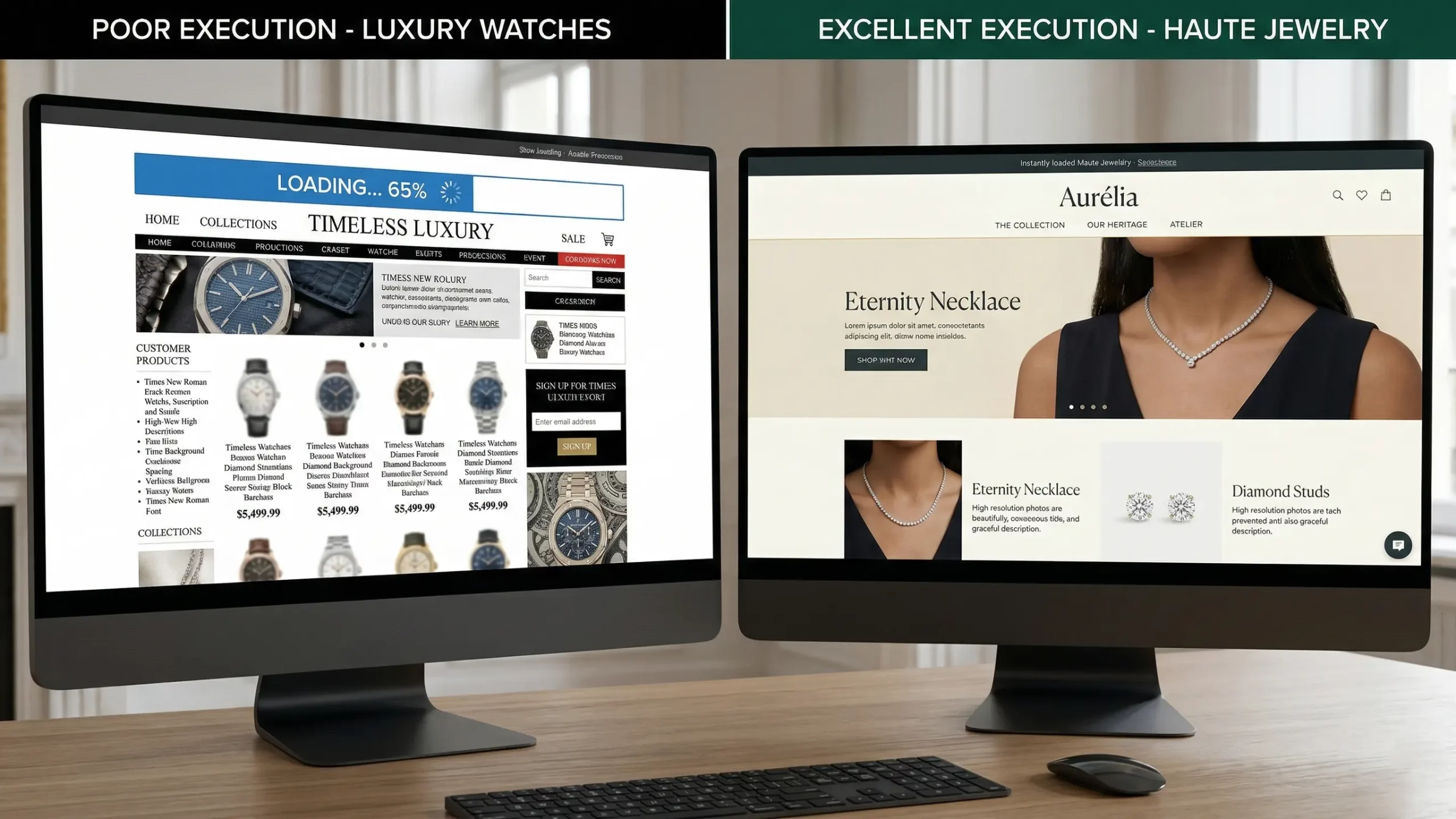
Load speed sets the tone immediately. If your site takes more than three seconds to load, you’ve already communicated something about your brand. That you don’t prioritize user experience. That your site might be outdated or poorly maintained. It gives an impression that your brand is not as premium as you claim.

Speed isn’t just technical. It’s perceptual. Fast sites feel modern, professional, and confident. Slow sites feel neglected. This is one of the first ways how people judge your brand without conscious thought.

Typography speaks before words do. The fonts you choose are crucial elements of visual brand identity. Serif fonts suggest tradition, authority, and craft. Sans-serif fonts feel modern, clean, and approachable. Script fonts can signal elegance or feel overwrought depending on execution.

But beyond style, typography quality matters for brand credibility. Are your font pairings harmonious? Is the hierarchy clear? Can people read your text easily across devices? Premium brands get typography right because they know it’s not decoration. It’s communication.

White space signals confidence. Brands that crowd every pixel with content look desperate. Premium brands use space generously. They let elements breathe. They trust that less is more.

White space isn’t empty. It’s intentional. It creates focus. It guides the eye. It makes everything else on the page feel more valuable. When buyers see generous spacing, they subconsciously register quality and thoughtfulness. This directly impacts brand perception and brand trust.

Color choices reveal positioning. Muted, sophisticated palettes suggest luxury and restraint in luxury brand design. Bright, saturated colors can feel energetic or cheap depending on context. Color contrast affects readability and accessibility, but it also shapes brand perception.

Premium buyers notice when colors clash or when palettes feel generic. They notice when brands use too many colors or when everything feels monotone. Color is emotional. And in five seconds, emotion drives how people judge your brand more than logic.

At Pixtar, we approach visual brand identity knowing that these elements work together to create instant brand credibility. Every choice either builds brand trust or raises doubt.

The Details That Shape Website First Impression

Image quality matters. Blurry photos, poorly cropped images, or obvious stock photography all signal lack of investment. Premium buyers expect sharp, well-composed visuals that feel authentic to your brand first impression.

Consistency across touchpoints. If your website feels polished but your social media looks thrown together, buyers notice the disconnect. Visual consistency suggests operational excellence. Inconsistency suggests lack of attention.

Mobile experience counts. More buyers browse on phones first. If your mobile site feels like an afterthought with tiny text, difficult navigation, or broken layouts, you’ve failed the visual audit before they reach your content.

Animation and transitions. Subtle, smooth animations feel premium. Jerky, excessive movement feels amateur. The way elements appear, transition, and respond to interaction all contribute to perceived quality.

Why Brand Perception Forms So Quickly

Our brains process images 60,000 times faster than text. We’re wired to make quick judgments based on visual patterns. This evolutionary trait helped our ancestors assess threats and opportunities instantly. Today, it helps buyers sort through endless options quickly.

Premium buyers have trained eyes. They’ve seen enough luxury brands to recognize the patterns. They know what quality looks like. They can spot the difference between thoughtful design and templates. Between custom and generic. Between craft and convenience.

You can’t fake this. You can’t trick discerning buyers with one polished element while the rest falls short. They’ll notice. And they’ll move on.

How to Improve Your Brand First Impression

Invest in speed. Optimize images. Choose quality hosting. Make load time a priority, not an afterthought. Every second counts in how people judge your brand.

Get typography right. Choose fonts that match your brand positioning. Ensure proper hierarchy. Test readability across devices. If in doubt, simpler is safer than experimental.

Embrace white space. Don’t cram. Give elements room. Create breathing space. Let your content feel uncrowded and intentional.

Choose colors strategically. Develop a cohesive palette. Test contrast for readability. Ensure colors feel appropriate for your positioning and strengthen brand perception.

Use authentic visuals. Invest in custom photography or illustration. If you must use stock, choose carefully and edit to match your visual brand identity.

Maintain consistency. Every touchpoint should feel like it belongs to the same brand. Website, social media, email, packaging. Visual coherence builds brand trust.

At Pixtar, we design brands knowing that visual first impressions determine whether buyers engage with your message at all. We optimize every visual element to pass that critical five-second audit and build lasting brand credibility.

The Bottom Line

How people judge your brand happens visually before they read a single word. Load speed, typography, white space, color, image quality. All of it registers in seconds. All of it shapes brand perception.

Your messaging matters. But if your brand first impression fails, your message never gets heard. Pass the visual audit first through strong visual brand identity. Then your words will land with the audience you’ve earned the right to speak to.

Before You Hire a Branding Agency in Dubai, Read This!

Branding Agency in Dubai

Every week, businesses in Dubai make the same expensive mistake.

They find a branding agency. They look at the portfolio. They like what they see. They sign the proposal.

Six weeks later, they have a new logo, a colour palette, and a brand guidelines PDF and nothing has changed in how their business is perceived.

That’s not branding. That’s decoration.

If you’re about to hire a branding agency in Dubai, this is the most important thing you’ll read before you do.


Most Agencies Sell You Deliverables. The Right One Sells You a Transformation.

There’s a difference between an agency that gives you outputs and one that changes your positioning.

Outputs: Logo. Colours. Fonts. Typography guide.

Positioning: How your business is perceived before anyone speaks to you. Whether people see you as premium or average. Whether they trust you immediately or need convincing.

One of those things you can get from a freelancer for AED 500. The other one is what moves the needle on your revenue.

Before you hire anyone, ask yourself: what do I actually need : a new logo or a brand that makes the right people take me seriously?


What to Look for in a Branding Agency in Dubai

Dubai is saturated with agencies. Everyone has a clean portfolio and a confident pitch. So the filter cannot be who looks the best. The filter has to be who thinks the deepest.

Here’s what separates serious agencies from the rest:

They ask uncomfortable questions first. A good branding partner does not start with design. They start with your business. Who are you trying to attract? What do your best clients look like today? What are you charging and what do you want to charge? Where is the gap between how you see yourself and how the market sees you?

If an agency jumps straight to “what do you like in terms of style” that’s a red flag.

They understand Dubai’s market specifically. A brand that works in London doesn’t automatically work in Dubai. The visual language here is different. Expectations around premium are different. Trust signals are different. Your agency should know this not because they read about it, but because they’ve built brands in this market.

They work from a philosophy, not a trend. Trends change every two years. Brands built on trends age fast. The best brand identity work in Dubai is built on timeless principles: structure, proportion and clarity. At Pixtar, for instance, everything we design follows the golden ratio. Not because it’s fashionable. Because it has held up for centuries.

Their past work shows transformation, not just aesthetics. Look at their portfolio and ask: did this brand look more credible after working with them? Did it look like it was built for a higher market? A portfolio full of “pretty work” is not the same as a portfolio full of elevated brands.


The Questions to Ask Before You Sign Anything

Before you commit to any branding agency in Dubai, ask them these directly:

“What makes your approach different from a freelancer?” If they struggle to answer this, there is no real difference.

“How do you measure whether the rebrand worked?” An agency with no answer to this has never thought about your outcomes, only their process.

“Can you show me a before and after, not just visually, but in terms of how the client’s market position changed?” This is where great agencies separate themselves.

“Will the same people who pitched us actually work on our brand?” At many large agencies, the senior team wins the pitch, and juniors do the work.


What Premium Branding in Dubai Actually Costs

The honest answer: it depends on what you’re buying.

If you need a logo and a colour palette, that’s one price. If you need a complete brand identity system, strategy, visual identity, typography, brand voice, applications, that’s a different conversation.

What we know from years of working in this market: businesses that treat branding as an investment attract better clients, face fewer price objections, and build faster. Businesses that treat it as a cost get a logo they use for two years and then change.


The Right Agency Makes Your Business Look Like It Already Won

That’s the standard. Not “looks nice.” Not “reflects our personality.”

When someone lands on your website, sees your packaging, reads your proposal, they should immediately feel like they’re dealing with a business at the top of its market.

That’s what premium branding services in Dubai should deliver.

If you’re ready for that conversation, Pixtar is a branding agency in Dubai built for exactly this.

No templates. No shortcuts. No decoration dressed up as strategy.

Beyond Templates: How Custom Logos Build Recognition and Trust

Custom logo

In era where every second consumers are bombarded with the visual information, the capability of brand to stand out is not just based on the style design, or a catchy slogan or a flashy website. The first thing is “Logo“, as it’s one of the most proven element in branding. It acts like a visual signal, showing who you are as a brand while reflecting your values and dependability. In this article, we are going to explore why the custom logos are important for building trust and recognition also how they influence consumer perception about your brand. And to know why investing in custom logos is one of the smart business decision.

Although the idea of template based logos is tempting because of its convenience and the low price to be considered, however the idea usually fails in enabling brands to have a life-long impact.


Why Custom Logos Outshine Templates

unique custom logo

1. Uniqueness Sets You Apart

Template logos, often found in online logo generators, are built using stock elements that are reused across multiple brands. This means your “unique” design might also be sitting on the website of a business halfway around the world or worse, a direct competitor.
A custom logo, designed from scratch, reflects your brand’s story, industry, and personality. It ensures that your identity is truly yours and impossible to confuse with others.


2. Communicating Brand Values

A good logo does more than look nice because it’s made with a clear purpose. The shape, colour, font choice everything communicates something about your brand and business. We can understand this better with simple examples. The blue colour suggest trust, professionalism and stability. Where as Green conveys growth, sustainability and health.

A template might not take your brand’s vision into consideration while designing a logo. Unlike generic designs, a custom logo is shaped through intentional decisions that reflect and reinforce your brand’s core values.


3. Emotional Connection Builds Trust

Emotional connection in custom logo

People make emotional decisions first. For many people, it’s also the very first interaction they have with your brand, setting the tone for everything that follows. So its important that to trigger positive feelings that can be comfort, excitement or inspiration.

Storytelling elements preferred in custom designs can appeal to a customer at a personal level, becoming closer to your brand and more likely to trust it.


4. The Science Behind Recognition

Brand recognition is rooted in visual memory. The fact is human brain processes visual information quickly than text, so your logo is powerful shortcut for customers to recognize and recall your brand in busy marketplaces.

  • A custom logo creates a strong visual imprint by being distinctive.
  • Consistent use of custom logo across different platforms helps recall the brand.
  • It also evokes positive feelings when linked with good experiences.

Logos having generic look, on the contrary, get lost in the crowd and make it harder for the customers to recognize you when it really counts.


5. Trust: The Currency of Business

Trust is the determining factor in many purchasing choices in competitive markets. Customers are distrustful of unfamiliar brands and having a cheap or generic logo can be used by customers unconsciously as a sign that your business is untrustworthy.

A custom logo communicates professionalism and attention to detail—qualities that make people more confident in doing business with you. Just imagine, you don’t want to attend a business meeting in casual clothes similarly your brand should not appear unpolished in its visual identity.


6. Case Studies: Brands That Got It Right

Nike, Apple and Starbucks
  • Nike: The iconic swoosh was designed to reflect motion and speed, perfect for an athletic brand. Its uniqueness ensures instant recognition.
  • Apple: Their clean, minimal logo mirrors their design philosophy and commitment to simplicity.
  • Starbucks: A custom siren illustration has evolved but always retained brand familiarity.

These brands didn’t go for templates as an easy available option. They have spent on unique, specially developed logos that can grow with them over decades.

7. Long-Term Return on Investment of a Custom Logo:

A professionally designed custom logo might seem costly however its an investment that eventually pays off.
Benefits include:

  • Brand longevity- frequent redesigns not needed.
  • Stronger brand equity over time.
  • Enhanced efficiency in marketing with increased recognition.

Businesses with generic logos have to incur rebranding expenses subsequently, which proves to be more costly as well as risky because of losing the existing clients.


Tips for Creating a Custom Logo That Lasts

creating custom logo
  1. Working with a professional designer who understands branding, not just aesthetics will help to get your logo right.
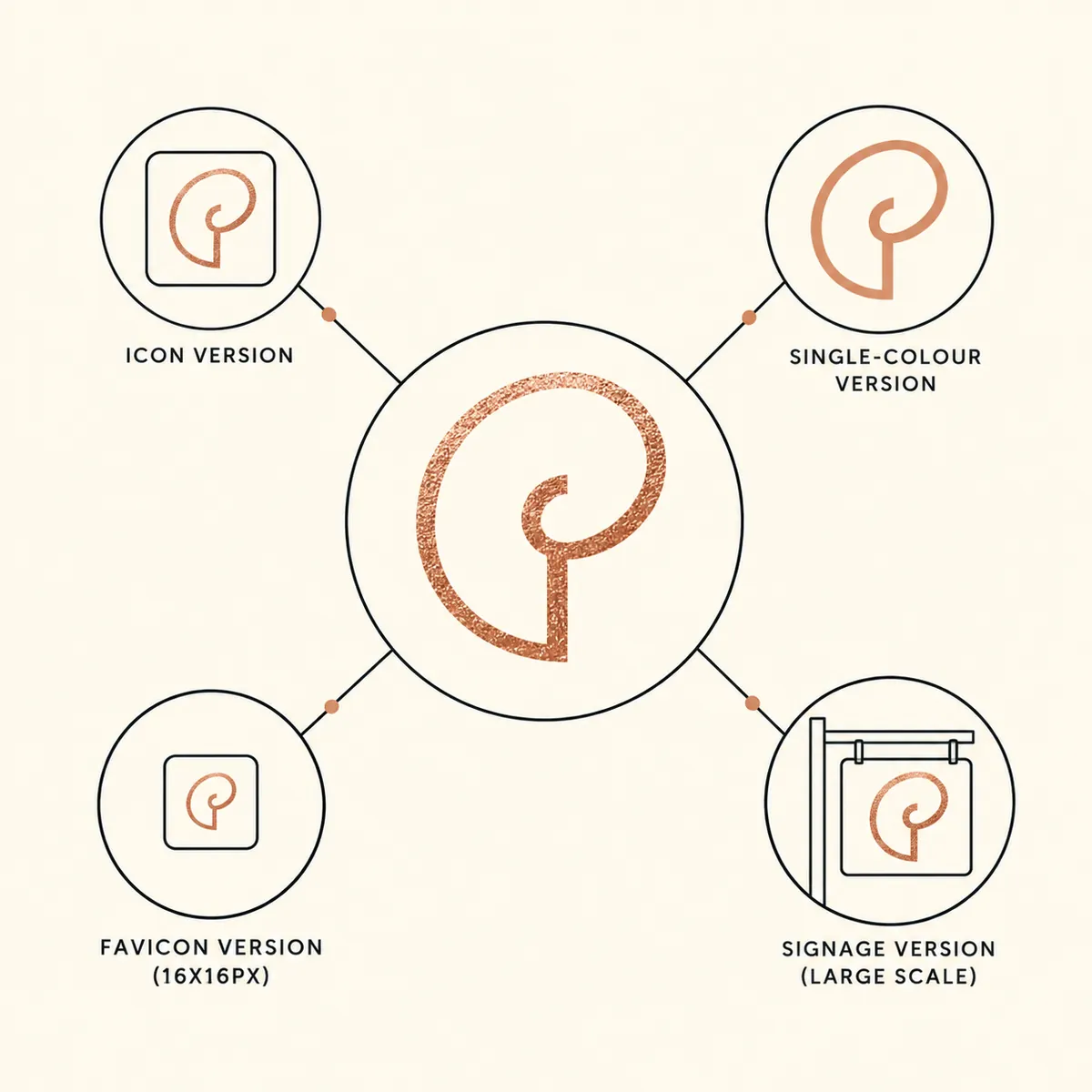
  2. Focusing on versatility would be beneficial. versatility interms of your logo should look good in colours or black and white, and on different sizes like on a billboard or a smart phone screen.
  3. Complex designs may look trendy now but they age poor! The solution is prioritize simplicity.
  4. Stay true to your brand’s essence—don’t follow every design fad.
  5. Test with your audience before finalizing.

Final Thoughts

In a marketplace crowded with noise, custom logos are not just design choice there are a competitive advantage. They speak your brand’s language, excite it with the right emotions, and make it create trust that can transform new customers into highly committed ones.

With templates, you are in effect taking a short-cut, and spending your money on something as hackneyed as a story. By removing the template, you move away from the short-cut and invest in a visual identity as distinctive as your story, one that customers can immediately recognize, remember, and trust.

If you’re ready to take your brand identity seriously, Pixtar offers professional, tailor-made logo design services that combine creativity with strategy. At Pixtar, you are not just getting a logo, you are building a visual legacy that help your brand to be recognised and remain memorable for years to come.

What are the 7 Pillars of Personal Branding? & How to Build Each One?

Pillars of Personal Branding

In today’s digital era where everyone is having a digital presence to stand out requires more than polished LinkedIn profile or smart bio. A well-built personal brand is not luck, it’s a result of strategic effort. Here comes in picture “The 7 Pillars of Personal Branding”. These are foundational elements that help shape your identity, build trust and grow your presence and connect with more people across different platforms.

Why is personal branding important? Read now to know more.

Whether you are a creative, a consultant, a business leader or just starting your career, this framework will help you to create an authentic, consistent and influencing personal brand.

Steps To Build Your Personal Brand

1. Clarity: Know What You Stand For

Strong brand begins with self awareness.

The first step in the 7 pillars of personal branding is Clarity. Clarity is knowing what your values, strengths and objectives are and who you wish to serve as an audience. Otherwise your brand will have a sense of confusion. This is most important in pillars of personal branding.

Ask yourself:

  • What do I want to be known for?
  • What unique value do I offer?
  • Who am I trying to reach?

Tip: Create personal brand statement that sums up your purpose and what makes you different. This becomes your North Star.


2. Consistency: Stay Uniform Across Channels

Consistency

Your audience should experience the same “you” whether they meet you on Instagram, LinkedIn, a webinar, or in person.

The second step in the 7 pillars of personal branding is Consistency. It isn’t about being robotic—it’s about aligning your tone, messaging, visuals, and interactions across platforms.

This includes:

  • Using similar profile pictures across social media
  • Writing in a consistent voice
  • Aligning your content topics with your expertise

    Hence making Consistency a part of the pillars of personal branding

Tip: Use brand guidelines even for personal branding—fonts, colors, tone, and key messaging.


3. Constancy: Show Up Regularly

Even the most brilliant message fades if it’s only heard once.
Constancy is about showing up—again and again. People follow and trust those who are visible and active.

This doesn’t mean posting every day, but it does mean staying top of mind by engaging frequently and meaningfully.

Ways to be constant:

  • Post weekly on your platform of choice
  • Respond to DMs or comments
  • Regularly update your audience with new achievements or insights

Tip: Create a simple content calendar to stay on track without burning out.


4. Content: Share Value-Driven Stories & Insights

Content is the currency of trust.
Every post, article, video, or email is a chance to shape how people perceive you. Share stories, expertise, learnings, and even challenges to humanize your brand.

Content ideas:

  • Behind-the-scenes of your work or process
  • Industry insights or personal reflections
  • Mini case studies or success stories
  • Personal branding books that inspired you

Tip: Focus on content that educates, inspires, or helps your audience solve a problem.


5. Connection: Build Genuine Relationships

Branding is not broadcasting.
It’s about connection—listening, engaging, and creating two-way conversations.

Your personal brand grows stronger with every meaningful relationship you build.

Ways to connect:

  • Engage in conversations within your niche
  • Support others’ content thoughtfully
  • Attend (or host) virtual events and webinars

Tip: How you make people feel about you matters. Be generous, not transactional.


6. Credibility: Back It Up With Proof

Credibility is the trust factor. It’s not just about what you say—but what you’ve done and how people perceive you.

Your achievements, testimonials, case studies, and consistent behavior all contribute to your perceived credibility.

Build it by:

  • Highlighting your track record without exaggeration
  • Sharing testimonials or endorsements
  • Being transparent about both wins and failures

Tip: Use your bio and pinned posts to spotlight your strongest proof points.


7. Character: Be Authentically You

Character is the soul of your brand.
It’s how you treat people, what you stand for when no one’s watching, and how aligned you are with your values.

People resonate with personal brands that are real—not perfect. Be open about who you are, what you believe in, and what sets you apart. This is what makes you memorable.

Strengthen character by:

  • Staying true to your voice, even when trends shift
  • Being kind and ethical in all interactions
  • Owning your story—flaws and all

Tip: Share stories that reflect your personal values, not just your professional ones.


Conclusion:

The 7 Pillars of Personal Branding—clarity, consistency, constancy, content, connection, credibility, and character—work together like a structure. When even one is weak, your brand may feel unbalanced or unclear. But when all seven pillars of personal branding align, your personal brand becomes a powerful magnet for opportunities.

At Pixtar, we help professionals and entrepreneurs like you build brands that aren’t just seen, but remembered. If you’re ready to put these pillars of personal branding into practice and want expert guidance, we’re just a click away.

Let’s turn your name into a brand people trust.

Top Strategies to Build a Strong and Memorable Brand Identity in 2025

building Brand identity

The current digital market competition demands more than outstanding products or services for business success. Customers jump over the brands from one to another, what is the most important factor in that decision making? It is nothing but the Brand Identity.
In this blog we will explore the essential strategies to help you create a powerful and consistent brand identity that connects with your audience and stands out in a saturated market.

1. Define Your Brand’s Core Values and Mission

Your brand identity first needs foundation within. Before designing logos or picking color palettes, you must clearly define your brand’s core values, mission, and purpose. You need to ask yourself these questions at first:

What problem are you solving?

What values drive your business decisions?

What impact do you want your brand to have?

You should create a brand that exclusively targets your chosen customer segment. Describe your intended market through specific research focusing on:

2. Know Your Target Audience

Your brand doesn’t need to appeal to everyone — it needs to speak directly to your ideal customer. Research and define your target audience by considering:

Demographics (age, location, income)

Psychographics (interests, values, lifestyle)

Behavior patterns (buying habits, preferences)

When you understand your audience, you can tailor your messaging, tone, and visuals to resonate with them emotionally — which is key to building loyalty.

3. Develop a Unique Brand Personality

Your brand’s personality is the human element of your business. It shapes how your audience relates to you and how they feel about your products or services. Is your brand:

Playful and fun?

Professional and reliable?

Innovative and bold?

Consistency in tone, voice, and style helps customers recognize and connect with your brand across platforms. This personality should be evident in everything — from social media posts to customer service responses.

4. Create a Strong Visual Brand Identity


Your visual elements are the face of your brand. An effective visual identity includes:

Logo: Memorable, scalable, and representative of your brand

Color palette: Evokes the desired emotion and aligns with your brand tone

Typography: Consistent across digital and print materials

Imagery: Style and filters that create a uniform look and feel

Every visual touchpoint should reinforce who you are and what you stand for. Don’t underestimate the power of a well-designed logo or cohesive color scheme — they are often what people remember most.

5. Craft a Compelling Brand Story

Humans are wired for stories. A brand story connects facts with emotions, making your message more relatable and engaging. A strong narrative should include:

Your origin (why and how you started)

The problem you aim to solve

How your journey reflects your mission and values

This not only builds credibility but also fosters trust and emotional bonds with your audience. Use your story in marketing campaigns, about pages, and even in product packaging.

6. Ensure Consistency Across All Channels

Brand consistency is non-negotiable. It reinforces trust, boosts recognition, and helps customers feel confident in choosing your brand again and again. Maintain consistency in:

Visual elements (logos, fonts, colors)

Messaging and tone of voice

Customer service and user experience

Whether someone encounters your brand on Instagram, your website, or in an email, the look, feel, and voice should be unmistakably you.

7. Focus on Customer Experience and Perception

“Your brand identity isn’t just what you say it is — it’s also how customers experience and perceive your business.” -Forbes

Prioritize:

Seamless user experiences (both online and offline)

Prompt and personalized customer service

Encouraging reviews, testimonials, and user-generated content

Monitor customer feedback regularly and adapt your strategies accordingly. Brand perception is shaped not only by what you put out but also by how you respond and engage.

8. Evolve With Time Without Losing Your Essence

Trends shift, technology evolves, and customer preferences change — but a strong brand identity should be adaptable without losing its essence. Revisit your branding elements every few years to:

Modernize your visual design

Refresh your messaging

Align better with market expectations

However, maintain your foundational values and core mission. Brands that evolve thoughtfully remain relevant and connected without becoming unrecognizable.

Final Thoughts

Building a brand identity is more than creating a nice logo or catchy slogan — it’s about crafting a cohesive and authentic experience that speaks to your audience at every level. From your mission to visuals, from customer perception to emotional resonance — every element plays a crucial role.

By applying these strategies, you’ll be well on your way to building a strong brand identity that not only attracts attention but earns trust and loyalty.

Recap:

Key Strategies to Build Brand Identity:

Define your mission and values

Understand your target audience

Create a consistent brand personality

Design a compelling visual identity

Tell an engaging brand story

Maintain brand consistency

Prioritize customer experience

Adapt while staying true to your roots.

Ready to elevate your brand identity and make a lasting impression? Partner with Pixtar today and bring your vision to life with expert branding solutions.

Why DIY Branding Fails? How Branding Services in Dubai Can Help?

Branding Services in Dubai-Pixtar

Introduction

Many business owners believe that DIY branding saves costs, but it often leads to inconsistent messaging, weak brand identity, and lost business opportunities. DIY branding, which sounds easy, is actually quite harmful to reputations and revenues. This blog discusses possible explanations for why DIY branding can destroy businesses and how expert branding services in Dubai can help you build a strong and lasting brand identity.


Why DIY Branding Can Be Risky

Why DIY branding fails
Image source : Freepik

1. Lack of Strategy & Consistency

Pain Point: Many businesses have no clear strategy and start branding only to end up with inconsistent visuals and messaging.
Solution: With the help of professional branding agency consistent brand identity is created along with consideration of business goals and market positioning.

When branding is done without a strategic foundation, businesses struggle with customer confusion and a weak brand recall. A professional branding agency conducts market research, competitive analysis, and brand audits to ensure consistency across all platforms—whether it’s your website, social media, or offline marketing materials.

2. Poor Brand Perception

Pain Point: Inefficient brand identity marks become noticeable when you use poor logos alongside inconsistent fonts and mismatched color palettes because these elements generate a negative, unprofessional image of your brand.
Solution: The top branding agency in Dubai like Pixtar, makes it beautiful, memorable, and appealing to the expectations of its audience.

First impressions matter. Research from Harvard Business Review shows people form first impressions in mere seconds—and branding plays a massive role in shaping them. Unattractive branding makes potential customers walk away. Professionals know the psychology of design and build logos, typography, and colors that would impart trust and credibility.

3. Ineffective Messaging

Pain Point: DIY branding efforts hardly connect with the right audience, resulting in little interest and weak brand recognition.
Solution: A branding expert sets out a clear voice and messaging strategy to speak directly to your intended audience.

Your brand’s message should be more than just a catchy slogan. It should tell a story that resonates with your audience. Without a structured brand messaging strategy, businesses risk being forgettable. A branding agency in Dubai crafts compelling brand narratives that emotionally connect with customers and build long-term loyalty.

4. SEO & Online Presence Issues

Pain Point: DIY branding lacks a strategic approach to SEO, leading to low visibility in search engines.
Solution: A professional branding services in Dubai integrates SEO-friendly branding techniques, improving your search rankings and online reach.

A well-branded website with optimized headings, keyword-rich content, and proper metadata ensures that your business ranks for relevant searches like branding services in Dubai and top branding agency in Dubai. SEO-driven branding increases discoverability and attracts organic traffic, resulting in higher lead generation.

5. Costly Rebranding in the Future

Pain Point: Many businesses end up spending more money fixing their DIY branding mistakes than they would have by hiring professionals from the start.
Solution: Investing in professional branding services in Dubai saves time and money while ensuring long-term success.

Rebranding is a costly and time-consuming process. Instead of making expensive fixes later, working with a branding agency from the beginning ensures your brand remains relevant, modern, and adaptable as your business grows.


What to Do Instead: The Right Approach to Branding

Branding services in Dubai

1. Work with a Professional Branding Agency

Hiring an experienced branding agency in Dubai ensures your brand has a unique identity that resonates with your target audience.

Instead of a generic look, expert branding services in Dubai create customized branding strategies tailored to your industry, values, and target market. This allows you to stand out in a crowded marketplace.

2. Define Your Brand Strategy

Professional branding services help you establish your brand mission, values, and unique selling points (USPs) for better market positioning.

Branding goes beyond just a logo. A successful brand needs a well-defined strategy that communicates its purpose and positioning clearly. Without this, businesses fail to create an emotional connection with their customers.

3. Invest in High-Quality Visual Identity

A top branding agency will provide you with a well-designed logo, consistent color palette, typography, and branding guidelines that make your business stand out.

An appealing and professionally designed brand identity gives businesses a competitive edge. Customers are more likely to engage with a brand that looks trustworthy and polished.

4. Leverage SEO & Digital Branding

Incorporating SEO-driven branding strategies ensures your business ranks higher in searches for branding services in Dubai and related keywords.

Optimized brand messaging, structured content, and high-quality visuals play a crucial role in digital branding. A branding agency integrates search-optimized content, social media branding, and performance-driven design to improve visibility online.

5. Build Brand Authority & Trust

High-quality branding creates trust and credibility, helping you attract premium clients, corporate businesses, and luxury brands in Dubai.

A strong brand reputation encourages customer loyalty. Thought leadership content, social proof, and strategic brand positioning help establish your brand as an industry leader.


Conclusion: Invest in Professional Branding Services for Long-Term Success

While DIY branding may seem cost-effective at first, it can lead to branding inconsistencies, weak online presence, and lost business opportunities. Instead, invest in Pixtarprofessional branding services in Dubai to build a strong, recognizable, and successful brand. Whether you are a startup, eCommerce business, or luxury brand, having a professionally designed brand identity will set you apart from the competition.

Ready to transform your brand? Contact Pixtar, the leading branding agency in Dubai, and take your business to the next level!

Luxury Packaging Trends 2025: What’s Next for Premium Brands?

Luxury packaging

Do you think Luxury is just about the product? Well, that’s not true. Luxury isn’t just about the product—it’s about the entire experience, and packaging plays a huge role in that. By blending aesthetics, sustainability and the use of technology the premium brands are creating packaging that feels as good as product inside. So, what’s next in luxury packaging? Let’s explore the top trends shaping the future.

1. Sustainable Luxury Packaging: Eco-Friendly, Without Compromising Elegance

Gone are the days when sustainability was taken as an option, now it’s an expectation. High-end brands throughout time have needed to create sustainable packaging solutions that would maintain their high-end brand reputation.

The year 2025 brings sustainable materials which maintain their luxurious appearance. Think:

1. Bio-degradable alternatives: Organic materials such as bamboo, mushroom fibers as well as hemp paper are used for luxury packaging as a sustainable alternative.
2. Recycled luxury: High-end brands are embracing recycled glass, metal, and paper with sophisticated finishes.
3 .Reusable designs: The designs appeal to frequent reuse because they are so charming that consumers cannot discard them the same way – such as easily refillable perfume bottles.

Luxury brands are proving that sustainability doesn’t mean sacrificing aesthetics—it enhances them.

2. Minimalism with a Statement of Luxury Packaging: Less is More, but Better

Luxury packaging is embracing understated elegance in 2025. Gone are the days of excessive embellishments. The new wave of premium packaging is about:

Subtle yet impactful design – Clean lines, muted color palettes, and refined typography.
Premium materials over flashy branding – Soft-touch finishes, embossed textures, and matte laminations replacing excessive foil and glitter.
Mono-material designs – Using a single high-quality material to enhance recyclability and create a seamless look.

Chanel and Apple are leading examples of this trend—letting high-quality design and materials speak for themselves.

3. Smart Packaging: Where Technology Meets Luxury

The future of high-end packaging is interactive. With advancements in smart technology, brands are using packaging to tell a story, engage customers, and create exclusivity.

NFC & QR Code Integration – Scan the packaging to unlock a personalized digital experience (e.g., VIP content, authentication certificates, or product history).
Augmented Reality (AR) – Customers can point their phone at the package to reveal brand storytelling, behind-the-scenes footage, or interactive product guides.
Smart security features – Anti-counterfeit technology like blockchain-enabled verification is becoming essential for luxury brands.

These innovations enhance the customer journey, making packaging more than just a box—it becomes part of the brand experience. In short, the technology meets luxury in smart packaging.

4. Personalization & Customization: The Rise of Bespoke Packaging

Luxury is personal. In 2025, brands are taking customization to new heights by offering limited-edition, personalized packaging experiences.

Monogrammed & Name Engraving – High-end packaging featuring the customer’s name or initials.
Exclusive Color Variations – Limited-edition packaging designs based on customer preferences.
Tailored Unboxing Experiences – VIP customers receive packaging that aligns with their purchase history or lifestyle.

This trend deepens brand loyalty, making every purchase feel like an exclusive, personalized packaging experience.

5. Texture & Sensory Appeal: Luxury That Feels as Good as It Looks

Luxury isn’t just visual—it’s tactile. The right texture can elevate packaging, making it memorable and enjoyable to hold.

Trending materials in 2025:

Soft-touch matte finishes – Creates a velvety, premium feel.
Embossed details – Adds depth and an element of craftsmanship.
Metallic foiling & gilded edges – Subtle shine without looking excessive.

By engaging the sense of touch, premium brands are enhancing the emotional connection with their audience.

6. The Unboxing Experience: Turning Packaging Into a Luxury Ritual

Luxury is about experience, and unboxing is becoming a key part of the brand journey. Brands are designing packaging that transforms opening a product into a multi-sensory moment.

Magnetic closures – Smooth, satisfying openings.
Layered reveals – Packaging that unveils the product in stages, creating suspense.
Custom sound elements – Some brands are even incorporating subtle audio cues (like a soft ‘click’ when opening a box) to heighten the experience.

Luxury brands like Louis Vuitton and Rolex have perfected this, ensuring the packaging feels like an event in itself.

Final Thoughts: The Future of Luxury Packaging

Sustainability meets luxury – Eco-friendly materials without compromising elegance.
Minimalism with impact – Less clutter, more premium design.
Tech-integrated packaging – QR codes, NFC chips, and AR for next-level engagement.
Personalized experiences – Customization that makes every purchase feel exclusive.
Unforgettable unboxing – Packaging that turns opening a product into an experience.

Why Do Brand Guidelines (Brand style guide) Matter?

Brand Guidelines

An inconsistent brand appearance would result from watching a company whose logo and messages keep shifting with their color choices. One day, their website uses bold red tone, the next day, it’s pastel blue. The language on their social media is playful, but their emails sound corporate and stiff. Would you trust this brand? Probably not. A brand guideline system exists to achieve consistency. Brand guidelines function as essential design blueprints that produce consistent, recognizable and professional-end results for every business component. When brands omit brand guidelines they endanger both their professional image and customer faith in the company.

A brand defines its identity through clear guidelines no matter the commercial or personal nature of the brand entity. But what exactly are they? What are the 5 C’s of branding? And how do you create your own? Let’s break it down.

What Are Brand Guidelines?

Brand guidelines (also called brand style guides) are a set of rules that define how a brand should be presented across all platforms. They cover everything from logos and colors to tone, voice and imagery.

Think of them as a rulebook that keeps your brand looking and sounding the same, whether it’s on your website, social media, packaging, or advertisements.

What Do Brand Guidelines Include?

Logo Usage – Rules on how to use the logo, including sizes, variations, and what not to do.
Color Palette – The exact shades that define your brand’s identity.
Typography – The fonts and styles used in all brand communications.
Imagery & Graphics – Guidelines for photos, illustrations, and visual elements.
Brand Voice & Tone – The way your brand communicates (formal, friendly, playful, etc.).
Messaging Guidelines – Key phrases, taglines, and brand story elements.

Why Brand Style Guide important?

Consistency: Builds brand recognition and trust.
Professionalism: Makes your brand look polished and well-structured.
Efficiency: Saves time by providing clear design and messaging rules.
Stronger Branding: Ensures that your brand identity remains distinct in a crowded market.

A well-structured brand guideline document helps anyone working on your brand—from designers to marketers—maintain a cohesive look and feel.

What Are the 5 C’s of Branding?

Strong branding isn’t just about visuals. It’s about strategy. The 5 C’s of branding serve as a foundation for creating a brand that connects with audiences.

1. Clarity
Your brand message should be clear and easy to understand. If customers don’t immediately “get” what your brand stands for, they’ll lose interest.

Ask yourself:
What is my brand’s purpose?
What problems does it solve?
How do I communicate that in the simplest way?

2. Consistency
A brand that looks and feels different across platforms confuses people. Keeping your visuals, messaging, and tone consistent strengthens your brand identity.

Think of big brands like Apple or Nike. Every ad, website page, and product packaging follows the same design principles. That’s consistency.

3. Creativity
A brand should be unique and stand out. Following trends is fine, but a great brand has its own identity.

Ask yourself:
What makes my brand different from competitors?
What unique design elements or messaging can I use?

4. Credibility
Trust is everything in branding. If your brand is inconsistent, unclear, or lacks professionalism, people won’t take it seriously.

Building credibility means
Delivering on promises
Using high-quality branding materials
Maintaining a strong online presence

5. Connection
A strong brand creates an emotional connection with its audience. This happens through storytelling, visuals, and brand messaging that resonates with people’s values and desires.

Ask yourself:
What emotions do I want my brand to evoke?
How can I make my brand more relatable?

A great example? Luxury brands like Chanel or Louis Vuitton. They don’t just sell products; they sell a lifestyle and an experience that people aspire to.

How to Create Your Own Brand Guidelines

Now that you know what a brand style guide is and why brand guidelines matter, let’s talk about how to create them.

Step 1: Define Your Brand Identity
Before designing anything, clarify who you are as a brand. Write down:
Your mission and values.
Who are your target audience?
Your brand personality. (e.g., professional, playful, luxurious)

Step 2: Choose Your Visual Elements
Logo: Define size, placement, and usage rules.
Colors: Pick a primary and secondary color palette. Use specific color codes (HEX, RGB, CMYK).
Typography: Choose 1-2 fonts that align with your brand’s personality.

Step 3: Establish Your Brand Voice & Messaging
Define how your brand sounds:
Friendly or formal?
Casual or authoritative?
Playful or serious?

Outline key phrases, slogans, or taglines that should be consistently used.

Step 4: Set Rules for Imagery & Design
What type of images fit your brand (minimalist, bold, colorful, etc.)?
Should photos be high-contrast, muted, or vibrant?
What type of graphics should be used?

Step 5: Document Everything
Put all these elements into a brand guidelines document that’s easy to share. This ensures designers, marketers, and partners all follow the same branding rules.

Final Thoughts: Why Your Business Needs Strong Brand Guidelines?

At Pixtar, we believe branding is more than just visuals—it’s about creating a memorable experience.

Without clear brand guidelines, businesses struggle with inconsistency, weakening their identity. But with a well-structured guide, you ensure your brand remains strong, recognizable, and professional.

Need help crafting the perfect brand identity? Let Pixtar bring your vision to life. Get in touch today!

Key Takeaways:

Brand guidelines ensure consistency in design and messaging.
The 5 C’s of branding (Clarity, Consistency, Creativity, Credibility, Connection) help build a strong identity.
Every brand—big or small—needs a structured branding guide for professionalism and trust.

Crafting Personal Branding in the Digital Age: Tips and Strategies

Personal Branding

In today’s world, personal branding has become more than just a buzzword—it’s a necessity. Your digital fingerprint functions as your personal brand regardless of being an entrepreneur or creative professional or corporate leader. The way you showcase yourself to society enables you to stand apart from competitors while establishing rapport with those you want to reach. Pixtar understands branding fundamentals, so we lead customers through branding their digital personae to success.

Why Personal Branding Matters?

Modern digital environments shape the way we share information through networks of communication and distribution of data. Every person today possesses digital platforms including social media and professional networks LinkedIn as well as personal websites that they can use to share their narratives. The major challenges of fierce competition accompany every significant opening opportunity. The establishment of a robust personal brand makes you distinguished while building trustworthiness as it enables meaningful relationship building.


Your professional identity needs to be understood as the concept of personal branding. Your professional profile extends beyond job responsibilities because it represents both character and core principles and the way you create meaningful value. The way people discover you online through your personal brand enables brand-new professional possibilities together with cooperative efforts which advance your professional development.

Actionable Tips for Personal Branding

Tips on personal branding

Define Your Unique Value Proposition

Your professional brand needs to demonstrate your main skills and approved expertise together with your selected interests. A self-evaluation should begin by determining what distinguishes you from others. What problems can I solve? What professional identity do I wish people to associate with me? The answers you provide will serve as your brand core.

Curate Your Online Presence

Your online presence is your digital storefront. Audit your social media profiles, website, and other digital touchpoints to ensure they align with your personal brand. Use a consistent tone, style, and visual identity across all platforms.

At Pixtar, we specialize in web development and branding, and we’ve seen firsthand how a polished online presence can elevate a personal brand. Consider investing in a professional website or portfolio that showcases your work, achievements, and personality. As a personal branding agency, we understand the importance of creating a cohesive and authentic image that resonates with your audience. From designing a visually appealing website to crafting a compelling narrative, we help you build a strong online presence that aligns with your goals.

Leverage Content to Showcase Expertise

Content is one of the most powerful tools for personal branding. Share your knowledge, insights, and experiences through blogs, videos, podcasts, or social media posts. By consistently providing value, you position yourself as an authority in your field.

Engage and Network Authentically

Personal branding isn’t just about self-promotion—it’s about building relationships. Engage with your audience by responding to comments, participating in discussions, and sharing others’ content. Networking, both online and offline, can help you expand your reach and create meaningful connections.

Platforms like LinkedIn are ideal for professional networking. Join industry groups, attend virtual events, and connect with like-minded professionals. Remember, authenticity is key. People are drawn to brands that feel genuine and relatable.

Invest in Professional Branding Services

Crafting a personal brand can be overwhelming, especially if you’re juggling multiple responsibilities. That’s where professional branding services come in. At Pixtar, as a personal branding agency in Dubai, we offer end-to-end branding solutions, from logo design to website development, to help you create a cohesive and impactful personal brand.

Our team of experts can help you define your brand identity, design visually appealing assets, and develop a strategy to amplify your online presence. With our support, you can focus on what you do best while we handle the rest.

Monitor and Adapt

The digital landscape is constantly evolving, and so should your personal brand. Regularly monitor your online presence, track engagement metrics, and gather feedback to understand what’s working and what’s not.

Stay updated on industry trends and adapt your strategy accordingly.

The Pixtar Advantage

At Pixtar, we believe that every individual has a unique story to tell. Our mission is to help you tell that story in a way that resonates with your audience. Whether you’re a startup founder, a creative professional, or a seasoned executive, our branding, web development, and design services are tailored to meet your needs.

From crafting a compelling brand identity to building a user-friendly website, we’re here to help you make a lasting impression in the digital age. Let us be your partner in personal branding and take your professional identity to the next level.

Conclusion

In the digital age, personal branding is no longer optional—it’s essential. By defining your unique value proposition, curating your online presence, and leveraging content to showcase your expertise, you can build a personal brand that stands out in a crowded marketplace.

Remember, personal branding is a journey, not a destination. It requires consistency, authenticity, and a willingness to adapt. With the right strategies and support, you can create a personal brand that not only reflects who you are but also opens doors to new opportunities.

Ready to elevate your personal brand? Visit our website to learn more about our branding and other services. Let’s craft a brand that leaves a lasting impression.

Brand Voice vs. Brand Tone: What Is the Difference?

Brand voice and brand tone

When it comes to branding, businesses often focus on logos, colors, and taglines. While these elements are essential, they’re only a small part of what makes a brand truly stand out. The way a brand communicates—its brand voice and brand tone—is what creates a lasting impression and fosters strong connections with its audience.

But here’s where it gets tricky: many confuse voice with tone or lump them into one term. While they differ, but closely related, their distinctions can help the brand in communicating better and gaining loyal customers.

So let’s break it down.

What is Brand Voice?

Brand voice is the personality of a brand. It is how your brand speaks across all platforms—whether on your website, social media, emails, or advertisements; it is the way your brand speaks across all platforms.

Your brand voice does not change according to the situation. It is representative of your company values, mission, and overall identity. If your brand were a person, its voice would be the unique way it expresses itself, no matter the circumstances.

Key Features of Brand Voice:

Consistent: Does not change according to context or mood.
Unique: It differentiates your brand from competitors.
Personality-based: Reflects your brand’s core values and mission.

Examples of Brand Voice:

Nike: bold, motivating, and inspirational.
Wendy’s: witty, humorous, and sometimes sarcastic.
Apple: clean, classy, minimalistic.

If you strip away logos and images, your audience should still recognize your brand just by reading your content. That’s the power of a strong brand voice.

What is Brand Tone?

If brand voice is the personality, then brand tone is the mood in which that personality speaks.

Your tone adapts based on the context, audience, or situation. For example, a brand might use a friendly and lighthearted tone on social media but a more formal and reassuring tone in customer support emails.

Your brand voice will be the same, while your tone may adapt to fit the situation.

Key Features of Brand Tone:

Flexible: It will vary according to the audience and the message.
Context-based: It adapts to different platforms and situations.
Emotion: It delivers feelings like excitement, urgency, or empathy.

Examples of Brand Tone Variations:

Social Media Post: “Hey! We’ve got something exciting coming for you. Check back so that you don’t miss a thing!” (Casual and engaging)
Customer Support Email: “We understand how this can be very frustrating. Our team is working on a solution, and we will update you as soon as possible.” (Reassuring and professional)
Website FAQ Section: “Need Assistance? Here is some of the most common questions and answers to guide you.” (Helpful and informative)

A great brand knows when to change its tone but always knows how to deliver that changing tone with the same voice.

Brand Voice and Brand Tone: Comparison

FeatureBrand VoiceBrand Tone
DefinitionThe unique personality of the brand.The mood or attitude used to communicate.
ConsistencyAlways stays the same.Changes based on context.
PurposeDefines how a brand expresses itself.Helps convey emotions and adapt to different situations.
ExamplesFriendly, bold, professional, playful, authoritative.Excited, empathetic, formal, urgent, and casual.

Why do Brand voice and brand tone matter for your brand?

Both brand voice and brand tone hold great importance in shaping the perception of a brand. For instance, consider a brand that keeps changing its voice from formal and professional to the next, wherein the brand is playful and funny; such a brand would confuse customers and ultimately weaken brand trust.

At the same time, if a brand is not adjusting its tone whenever required, it may come across as robotic or insensitive. For example, it would be inappropriate for a company to reply to a customer complaint in a cheerful, upbeat tone.

How to Define Your Brand Voice and Brand Tone?

If you’re creating a new communication strategy for your brand, here’s how to establish a clear voice and an adaptable tone:

Identify Core Values of Your Brand – What does your brand stand for? What personality do you want it to convey?
Audience Analysis—Who are you speaking to? What language and style resonate with them?
Create Guidelines for Brand Voice—Set down which are the key characteristics of your voice and give some examples of do’s and don’ts.
Tone Variants—Decide how your tone will shift in different contexts (such as marketing campaigns vs. crisis communication).
Train Your Team—Make sure that every individual creating content understands the guidelines and follows them.

Final Thoughts:

A strong brand voice helps your business stand out and create a recognizable identity, while the right tone ensures that your message is delivered in the best way possible. Thus, together, they shape how the world will understand and interact with the brand.

By understanding and mastering the difference between brand voice and brand tone, you’ll be able to communicate with clarity, consistency, and authenticity—building a brand that truly resonates with your audience.

Define your brand voice and brand tone today! It starts with considering how you want your brand to be perceived and making sure your communication lines up with that vision.

Need Help Crafting a Strong Brand Voice and Brand Tone?

At Pixtar, we are good at developing strong brands that can connect with the audience and create an impression. Our team will take you through the brand voice and brand tone development process whether you are starting a new or refining your currently existing brand.

Let us bring your brand to life! Contact us today to get started.