
In today’s digital marketplace, your e-commerce website act as both your storefront as well as your primary salesperson. The first impressions are made in few seconds online, and your e-commerce store is first impression of your brand online. If your website feels outdated, performs poorly, or no longer aligns with customer expectations, it could be quietly costing you sales, damaging your credibility and holding back your growth. Redesigning e-commerce website isn’t something which can be done as you wish; it should be done knowing when it’s necessary, will make a big difference. In this article, we will explore 3 signs that it’s time to consider an e-commerce website redesign.
First let us understand,
Why E-commerce Website Redesign is Important?
E-commerce website is not a one time project. Your e-commerce website needs to stay relevant with technology, user expectations and design trends. This will help your e-commerce website to boost your search engine ranking, improves user experience, increases sales and your brand’s online reputation. Failing this will lead to customers to lose trust, search engines to lower your rankings, and competitors to capture your market share.
3 Signs you need an E-Commerce Website Redesign!
1. Declining Sales and Conversions
Are you facing the problem of decreased sales? If your website is attracting traffic but struggling to turn into customers, then your website is likely having problem in buying process.
Common issues are:
- A confusing or lengthy checkout process
- Poor product page layouts
- Lack of clear calls-to-action (CTAs)
- Slow site speed
- Broken trust signals. For example, missing reviews or outdated security badges.
Online shoppers expect fast, seamless transactions. According to studies, 70% of online shopping carts are abandoned before checkout due to poor user experience. Your checkout process shouldn’t be complicated or else your customers will turn to your competitors. This is an important sign you need to have an e-commerce website redesign.
Example: Let’s understand this by taking reference from the ZARA website, which is doing right in 2025.
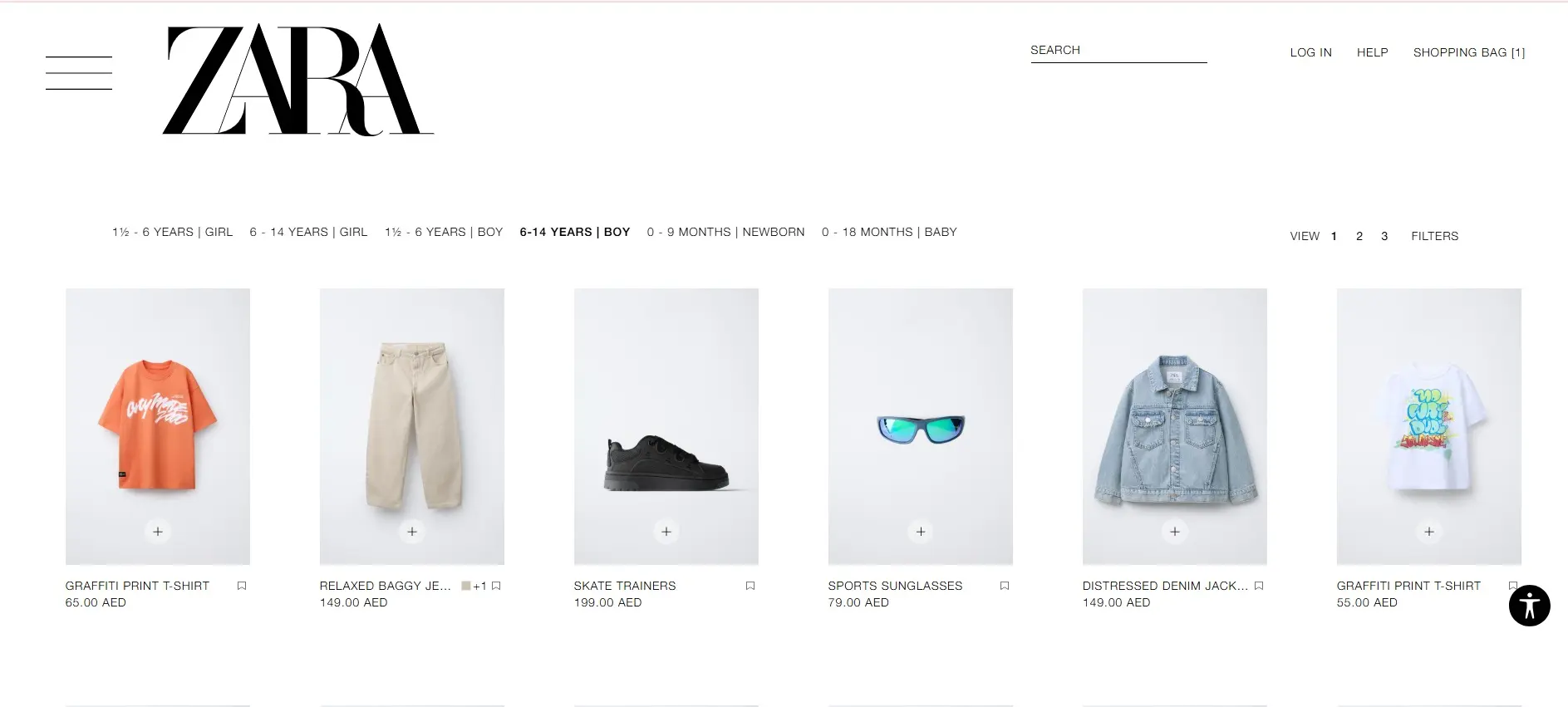
i. Smooth Checkout Experience
- No forced account creation here, because guest checkout available.
- Minimal steps: shipping → payment → confirmation (all in one streamlined flow).
- Multiple payment options are available for example, Apple Pay, Google Pay, PayPal, credit/debit cards.
- Auto-fill support for faster checkout.
ii. Product Pages
- Large, high-quality images with zoom and video previews.
- Clean, uncluttered layout with clear pricing, sizing, and availability.
- Consistent, high-end feel matching Zara’s brand.
- Size guides, model fit details, and product care instructions included.
iii. Strong CTAs
- Quick-add options on category and search pages.
- No unnecessary distractions around the purchase funnel.
iv. Fast Site Speed
- Optimized images and content delivery.
- Fast loading times even on mobile data connections.
- Consistently excellent Core Web Vitals performance.
v. Excellent Trust Signals
- Secure checkout (SSL, payment badges).
- Return policy displayed clearly on product pages.
- Easily accessible customer support.
- Product reviews and ratings visible where applicable.
2. Outdated Design and Branding
Your website’s visual appearance is a reflection of your brand’s professionalism and credibility. Even if your products and services are top-tier, an outdated design can make visitors question your trustworthiness.
Signs your design may be outdated:
- Cluttered or overly busy layout
- Inconsistent color schemes or typography
- low-quality images
- Old-fashioned interface elements
- Lack of modern design trends like minimalism, whitespace, or micro-interactions
Consumers today expect sleek, intuitive designs that are visually appealing while providing clear information. If your website looks like it hasn’t been updated in years, it may be sending the wrong message to potential buyers.
Take the example of Apple’s e-commerce store, which has
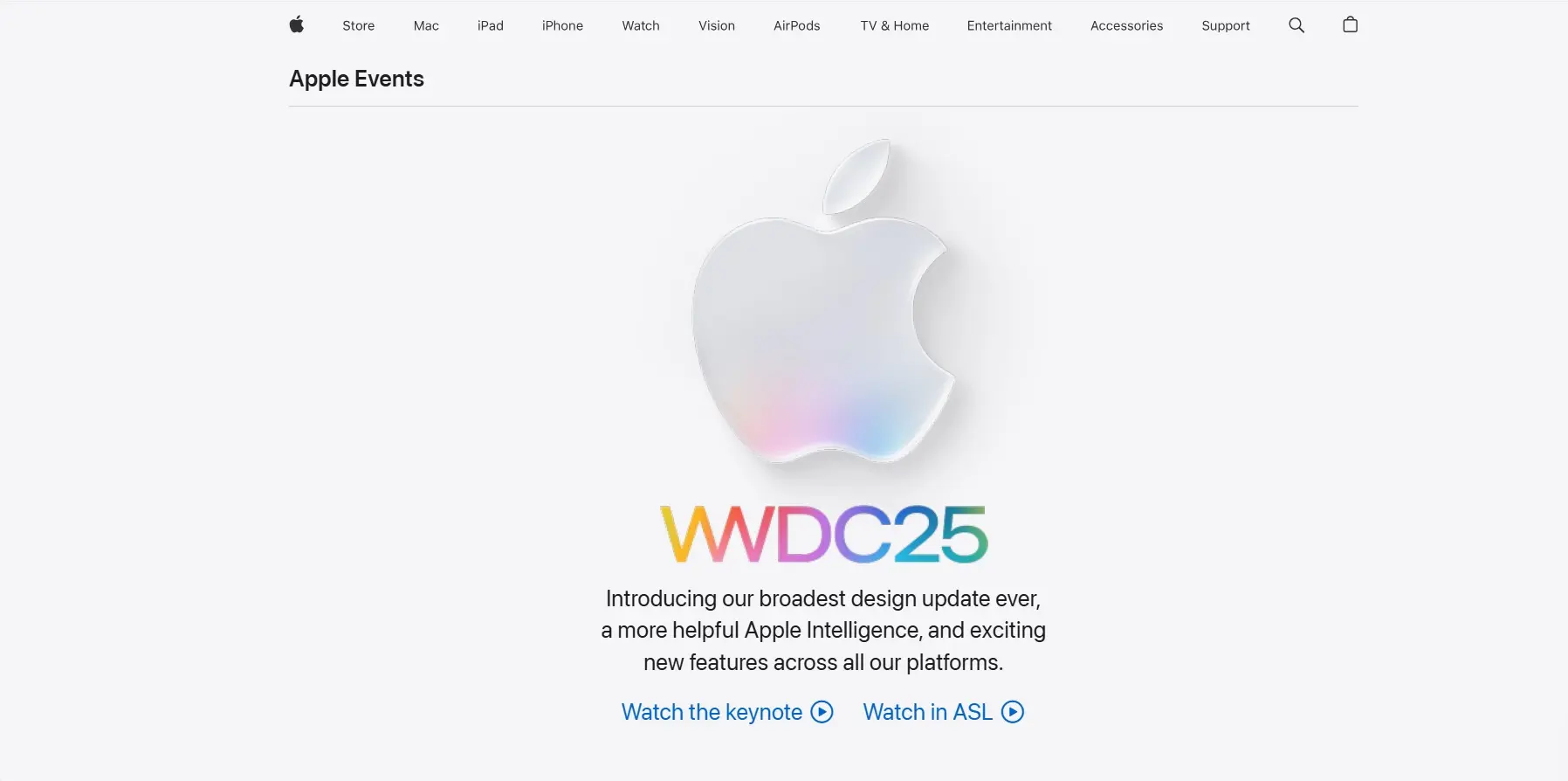
i. Consistent Branding Across the Entire Experience
- In Apple’s e-commerce website: every page, product, and button reflects Apple’s brand voice which is premium, modern, and simple.
- Unified fonts, colors, spacing, and design elements throughout the site.
- High-end feel that matches their physical stores and overall brand identity.
ii. Clean, Minimalist Design
- Heavy use of whitespace draws attention to product visuals.
- Clear, simple layouts free of clutter or unnecessary text.
- Focus is on showcasing the product, not overwhelming users with options.
iii. High-Quality, Sharp Visuals
- Pixel-perfect product photography.
- Retina-optimized images and videos.
- 360-degree product views and detailed product demo videos.
iv. Modern UI/UX Elements
- Sticky navigation bars that make it easy to browse.
- Clear breadcrumb navigation without unnecessary distractions.
- Seamless transitions paired with elegant micro-interactions across buttons, menus, and galleries.
v. Instant Trust-Building Visual Experience
- Secure, modern checkout experience.
- Clear pricing, specs, warranty info, and support details.
- Transparent policies fully integrated into the shopping experience
3. Poor Mobile Experience
More than half of online shopping happens on mobile devices; your e-commerce store must deliver a seamless mobile experience. Google also uses mobile-first indexing, meaning your mobile site’s performance directly affects your search rankings.
Common mobile issues include:
- Pages that don’t scale properly to mobile screens
- Small or hard-to-tap buttons
- Slow loading times
- Difficult navigation
- Poor image optimization
Even minor mobile issues can cause potential customers to leave your site and can lead to lost sales. Your website must load quickly, display correctly, and remain easy to navigate on any device, or you risk alienating a significant portion of your audience.
We will look into ASOS as an example. It is
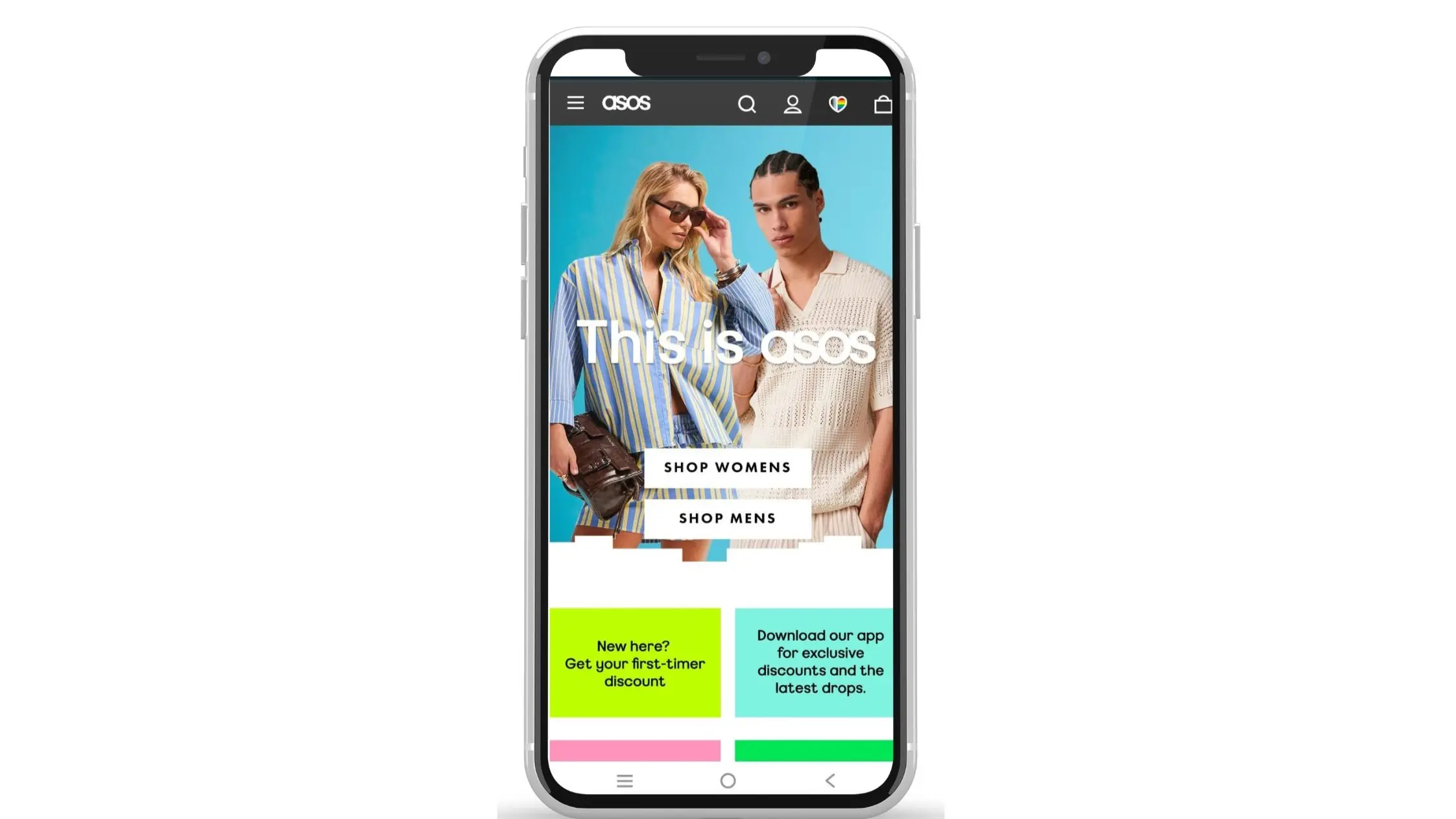
i. Fully Mobile-First Design
- ASOS has designed its entire e-commerce store around mobile-first principles.
- Pages scale perfectly on any screen size, from smartphones to tablets.
- When the user rotate or resize the device the responsive layout adjusts accordingly.
ii. Smooth, Intuitive Navigation
- Clean, collapsible menus optimized for thumbs.
- Filters and search functionality that remain easily accessible without much scrolling.
- It has sticky headers with easy category access and search bar.
iii. Fast Load Times
- Excellent mobile Core Web Vitals performance.
- Image optimization with modern formats like WebP.
- Lazy loading is used properly to prioritize content that users will see first.
iv. High-Quality Visuals
- Crisp, optimized product images even on mobile data.
- Image zoom and video previews that work smoothly on smaller screens.
- No pixelation or broken layouts.
v. Easy Mobile Checkout
- Guest checkout enabled.
- Seamless mobile wallet integrations with online payment like Apple Pay, Google Pay.
- One-click address autofill and secure payment gateways.
The Cost of Waiting Too Long
Many businesses postpone redesigning their e-commerce website due to perceived costs or time investment. But delaying often leads to larger financial losses down the road.
- Risks of postponing a redesign include:
- Steady decline in search engine rankings
- Higher customer acquisition costs due to poor conversions
- Damage to brand reputation
- Increased maintenance costs as old systems break down
- Loss of competitive edge
Investing in an e-commerce website redesign early can protect your business, boost long-term revenue, and position your brand for growth in a rapidly evolving marketplace.
Conclusion
Your e-commerce website isn’t just a storefront—it’s the heart of your online business. If you’re experiencing any of these three signs, it’s likely time to take action. A modern, conversion-focused redesign can unlock new growth opportunities, improve your customer experience, and strengthen your brand.
At Pixtar, we specialize in building modern, high-performing e-commerce websites that help businesses like yours thrive. Whether you’re looking for a complete redesign or targeted improvements, our expert team is ready to help you create an online store that truly works for you. Contact Pixtar today!