
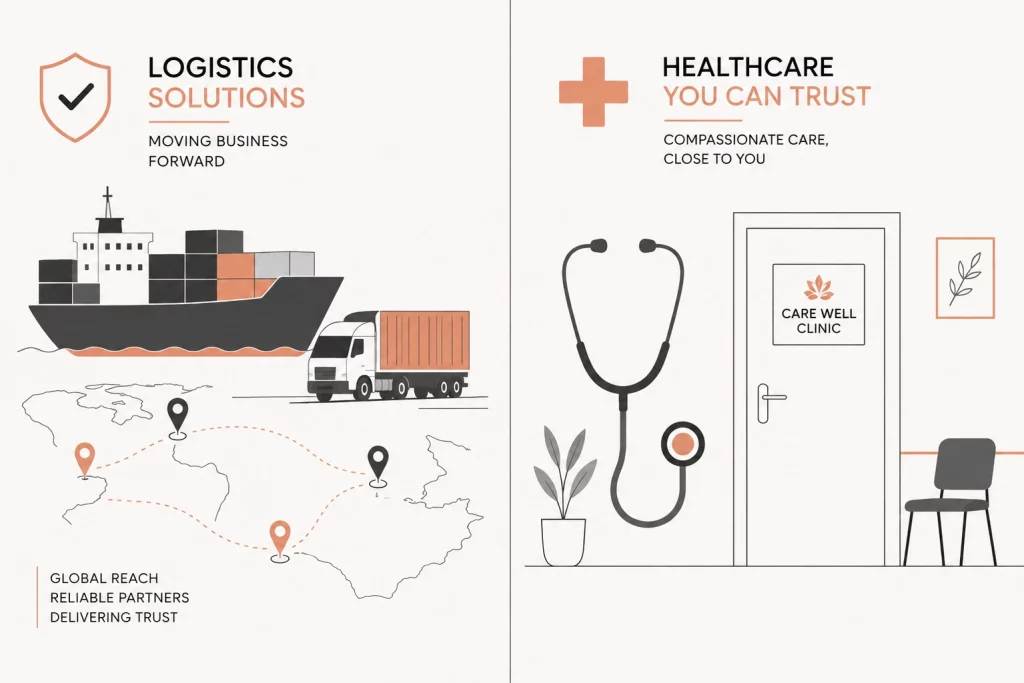
Why Branding Is a Trust Problem for Dubai’s Logistics and Healthcare Sectors
For most consumer brands, branding is about standing out in a crowded feed or on a shelf. For freight forwarders, customs brokers, 3PL operators, clinics and wellness centres in Dubai, it does something more fundamental. It answers the question every prospective client is silently asking before they ever pick up the phone: can I trust this company with something that matters?
A shipment worth six figures, or a patient making a decision about their health, is not a choice made on aesthetics alone. It is a decision built on signals of competence, stability and professionalism. Those signals are exactly what a well-considered brand and a properly built website are designed to communicate. In high-trust sectors, branding is not a marketing expense. It is a commercial infrastructure decision.
In This Guide
1. The Credibility Gap These Sectors Are Up Against
Logistics: Winning Contracts Before the First Call
In UAE logistics, most B2B buyers research a shortlist of providers online before requesting a quote. A freight forwarder or 3PL operator with a generic, dated website loses that shortlist position quietly, without a single conversation taking place. No clear service breakdown, no visible track record, no real photography of operations. The buyer moves to the next result, and the company never knows what it lost.
Branding in logistics is not decorative. It is a pre-qualification filter operating entirely without a salesperson in the room. The company whose website looks like it belongs to a business that has its operations under control gets the call. The one that looks like it has not updated its site since 2017 does not.
Healthcare: Branding as a Patient Trust Signal
Clinics and wellness centres face a parallel problem with a more personal stake. Patients choosing a new healthcare provider evaluate perceived competence, cleanliness and care quality from a website and a handful of visual cues before they walk through the door. A weak or inconsistent brand creates hesitation at the exact moment a patient needs confidence. Mismatched colours across platforms, unclear service descriptions, no visible practitioner credentials. Each one is a small signal. Together they say: we do not have things in order.
Hesitation at that moment often means a lost booking. Not because the clinic is worse. Because the brand did not communicate that it is better.

2. What Effective Branding Looks Like in Practice
Visual identity built on precision, not decoration
Logistics and healthcare branding should feel engineered. Clean typography, a restrained colour palette, iconography that communicates process: routes, tracking, compliance and care pathways. These outperform trend-driven design choices every time in sectors where the buyer is evaluating reliability, not personality. The goal is to look like an organisation that runs on systems, not improvisation. That is the impression a cautious buyer or patient scans for in the first few seconds of a visit.
A website that does the work a site visit used to do
For a freight or 3PL company, the website needs to demonstrate what a warehouse tour or in-person meeting once communicated: fleet capability, service coverage across air, sea, land and customs, compliance credentials and real client evidence. For a clinic, it needs to show practitioner qualifications, treatment specifics and a clear path to booking. Every piece of friction between a visitor and an enquiry is a lost opportunity in sectors where the alternative is one click away.
Proof as primary content
Unlike a lifestyle or fashion brand where mood and aesthetic carry real weight, credibility-led sectors convert on evidence. Client testimonials, shipment volume, years of operation, named partnerships and certifications earn more trust than a well-written about page. These belong on the homepage and on every service page, not filed away in a footer link where a time-pressed decision-maker will never find them.
3. Case Study: Crystal Cargo, a Dubai Freight Forwarder
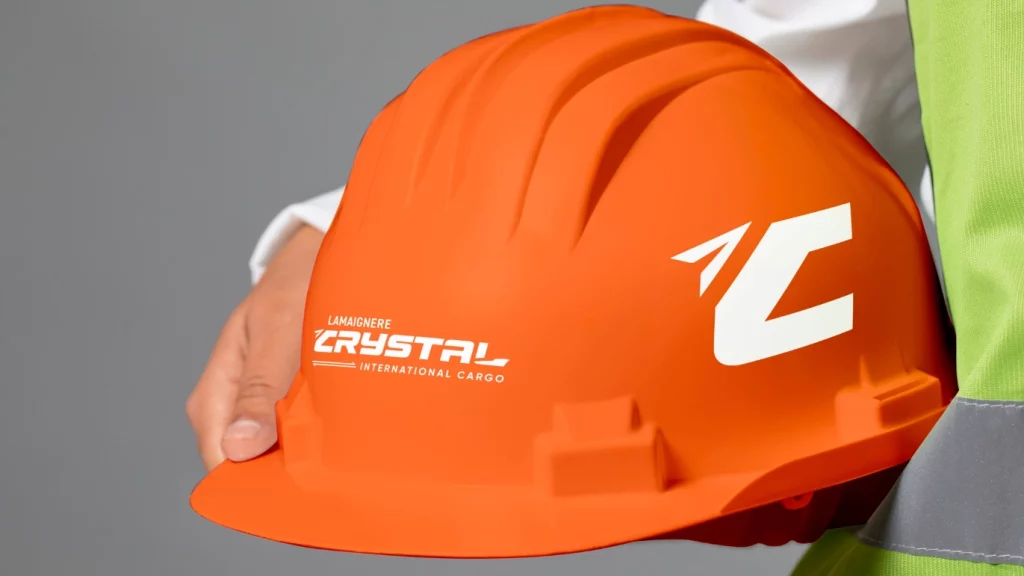
Pixtar’s work with Crystal Cargo, a Dubai-based freight forwarding company, demonstrates this approach directly. Rather than applying a generic logistics visual language, the brand identity and website were built around clarity of service offering and operational credibility. The system was designed to reassure a B2B buyer within seconds of landing on the site, not simply to look attractive.
The result is a brand that reads as established and dependable, which is precisely what a buyer evaluates when comparing shortlisted freight providers side by side. Not the flashiest option in the category. The most trustworthy one. In logistics, that distinction wins contracts.
You can view the Crystal Cargo project in our work section.
4. Healthcare Branding: Authority, Empathy and the Balance Between Them
Healthcare branding carries an additional layer that most other sectors do not. Regulatory and ethical constraints around claims sit alongside a genuine need for warmth. A clinic’s brand has to simultaneously project clinical authority, covering credentials, hygiene and technology, alongside human empathy, care and approachability. Two tones that are straightforward to get wrong in either direction.
Over-clinical branding feels cold and transactional. A patient already anxious about a consultation does not want to feel like they are filling out a form. Over-casual branding undermines perceived competence. If the visual language of a specialist clinic looks like a wellness influencer’s Instagram, the credentials lose their weight.
Getting this balance right is a strategic branding exercise, not a visual one. It starts with understanding the specific patient journey: who the patient is, what they are worried about before they book and what they need to believe before they will. The visual identity, the website structure, the photography direction and the tone of voice all follow from that understanding. Without it, the design is guesswork.
This is where a brand strategy phase, before any logo or website work begins, pays off across every patient touchpoint. Read more about what that phase involves in our guide on what a brand strategy agency in Dubai actually does.
5. What the Process Looks Like
A full branding and website engagement for a logistics or healthcare business moves through three stages: discovery and positioning, visual identity development and website build. Discovery carries more weight in these sectors than in most others, because the brand strategy has to reflect genuine operational differentiators: service coverage, specialisms, certifications and fleet or facility scale, rather than positioning statements that could apply to any competitor in the category.
The cost varies based on scope. A brand identity combined with a multi-page credibility-focused website is a different investment from identity work alone. The main variables are the number of service lines that need dedicated pages, whether custom photography or iconography is required and the complexity of the website, such as booking systems for clinics or bilingual support for cross-border logistics clients.
The question we ask at the start of every engagement in these sectors is the same one a prospective client asks when they land on the website: does this look like a company I can trust with something important? If the honest answer is not immediately yes, that is the gap the branding work is designed to close.
A note on templates: A template website can launch quickly, but it rarely carries the specific trust signals that convert a cautious B2B or healthcare visitor into an enquiry. Real fleet photography, real practitioner profiles and real case studies all require a considered build, not a drag-and-drop solution. The businesses that invest in getting this right at the start save significantly on the cost of fixing it later, after contracts or bookings have already been lost.
For an overview of what branding services typically include at each stage, read our guide on what branding services actually include.
Frequently Asked Questions
Do B2B logistics and freight companies in Dubai really need branding?
Yes, and arguably more than consumer brands. The purchase decision in logistics is high-trust and high-stakes. A buyer choosing a freight forwarder or 3PL partner is trusting them with valuable cargo, compliance obligations and client relationships. In that context, branding does more commercial work than in low-consideration categories where price alone can win the sale. A professional, credible brand signals that the business is organised, reliable and worth the risk of a first engagement.
What makes healthcare branding different from other sectors?
Two things: regulatory constraints and emotional stakes. Healthcare branding has to navigate what can and cannot be claimed under UAE healthcare advertising guidelines, while simultaneously communicating in a way that reduces patient anxiety and builds confidence. The balance between clinical authority and human warmth is a strategic challenge, not just a design one. Getting it right requires understanding the patient journey before any visual work begins.
How important is the website for a logistics or healthcare brand in Dubai?
It is the primary trust signal for most prospective clients and patients. In logistics, most B2B buyers research providers online before requesting a quote. The website is doing the work that a warehouse tour or a referral once did. In healthcare, most patients check the clinic website and social presence before booking. In both cases, the digital presence is often the deciding factor between a shortlist and an enquiry, or between a booking and a search elsewhere.
Should a logistics or healthcare brand in Dubai be bilingual?
For any business with a UAE-based client base, yes. Arabic language brand expression is not just a compliance consideration. It is a commercial one. A significant portion of the UAE market will engage more readily with a brand that communicates in Arabic with the same care and clarity as in English. This applies to the website, the marketing materials and the signage. Bilingual design requires specific expertise and should be confirmed with any agency before briefing.
How long does a branding and website project take for a logistics or healthcare business?
A full engagement covering brand strategy, visual identity and a multi-page website typically takes ten to sixteen weeks. Sectors with additional complexity, such as clinic booking systems, multi-language support or large numbers of service pages, take longer. The discovery and strategy phase cannot be meaningfully shortened in sectors where the brand has to reflect real operational specifics rather than generic positioning.
Does Pixtar work with logistics and healthcare businesses specifically?
Yes. Crystal Cargo, a Dubai-based freight forwarding company, is one example of Pixtar’s work in the logistics sector. The brand identity and website were built specifically around B2B credibility and operational clarity. For healthcare and wellness businesses, the approach follows the same principles: strategy before design, with every creative decision grounded in what the specific patient or client needs to believe before they take the next step. You can start a conversation about your business on our contact page.
Does Your Brand Pass the Ten-Second Trust Test?
Whether you run a freight operation, a customs brokerage, a clinic or a wellness centre in Dubai, the question is the same: does your current brand make a stranger trust you before they have spoken to anyone? If the honest answer is no, that is a gap worth closing. Pixtar builds branding and websites for credibility-led businesses across Dubai and the UAE.
→ Explore Our Branding Services
Related reading:
What Branding Services Actually Include
What Is a Branding Design Agency in Dubai?
Crystal Cargo: Brand Identity and Website Project
Further reading:
HAAD: UAE Healthcare Advertising Guidelines
Harvard Business Review: Branding Insights